
A roof replacement in Minnesota typically costs between $8,000 and $22,000 for a standard residential home, with most homeowners paying around $12,000–$16,000. The final price depends on your roof’s size, pitch, materials, and the damage involved.
Minnesota Roof Replacement Cost by Square Footage
Roofing costs are calculated by the “square” — one roofing square equals 100 square feet. Here’s what Minnesota homeowners typically pay based on roof size:
| Roof Size | Estimated Cost (Asphalt) | Estimated Cost (Metal) |
|---|---|---|
| 1,000 sq ft | $5,000–$9,000 | $8,000–$14,000 |
| 1,500 sq ft | $7,500–$13,500 | $12,000–$21,000 |
| 2,000 sq ft | $10,000–$18,000 | $16,000–$28,000 |
| 2,500 sq ft | $12,500–$22,500 | $20,000–$35,000 |
| 3,000 sq ft | $15,000–$27,000 | $24,000–$42,000 |
Note: These are material + labor estimates for standard asphalt shingle roofs in the Twin Cities metro area. Complex roofs, steep pitches, or premium materials add cost.
What Affects the Cost of a New Roof in Minnesota?
1. Roofing Material
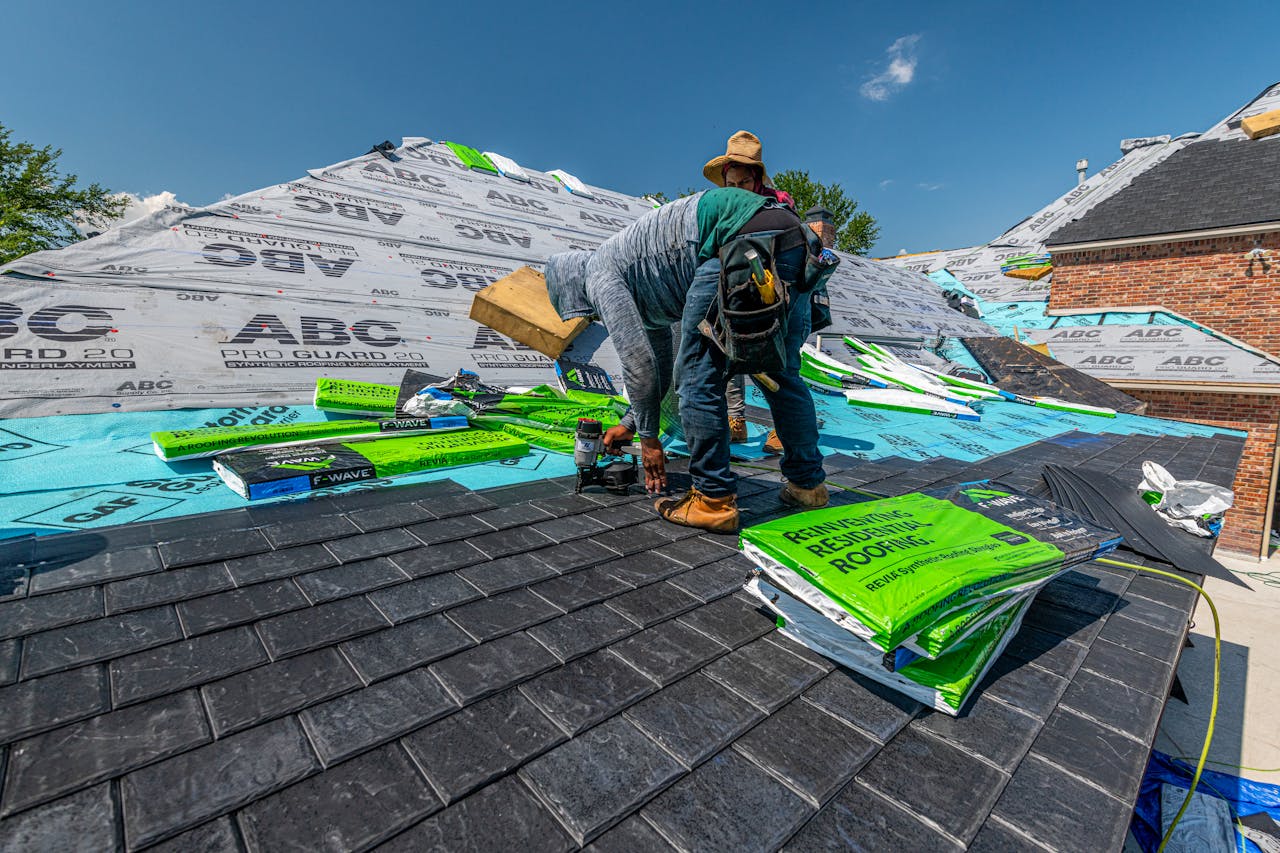
The material you choose is the single biggest cost variable. Here’s a breakdown of common roofing materials and their per-square-foot costs in Minnesota:
- Asphalt shingles (3-tab): $3.50–$5.50 per sq ft — budget-friendly, 20–25 year lifespan
- Architectural shingles: $4.50–$7.00 per sq ft — most popular in MN, 25–30 year lifespan
- Impact-resistant shingles: $5.50–$8.50 per sq ft — smart choice for hail-prone areas
- Metal roofing: $8.00–$14.00 per sq ft — longest lifespan (40–70 years), higher upfront cost
- Cedar shake: $9.00–$14.00 per sq ft — premium look, requires more maintenance
- Flat/TPO (commercial): $5.00–$9.00 per sq ft — for low-slope or commercial roofs
2. Roof Size and Pitch
Steeper roofs are harder to work on, require more safety equipment, and take longer — all of which add labor cost. A steep 12/12 pitch can add 20–40% to your labor estimate. Most contractors measure steepness using a pitch ratio; anything above 6/12 is considered steep and will cost more.
3. Number of Layers
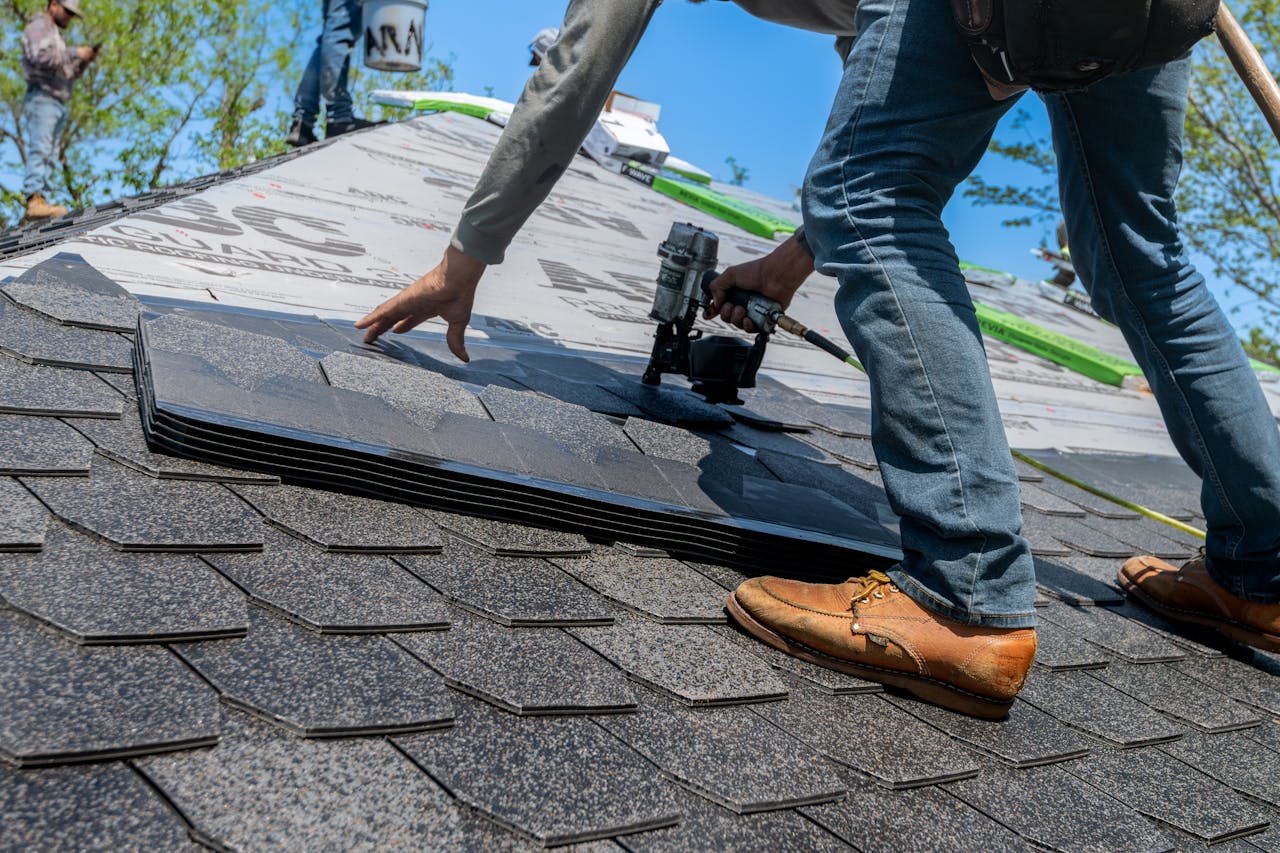
Minnesota building codes allow up to two layers of shingles. If your home already has two layers, contractors must tear off all existing shingles before re-roofing. A full tear-off adds $1,000–$3,000 to the job and is almost always the right call — it lets the contractor inspect the decking underneath for any rot or damage.
4. Repairs Discovered During Installation
Once the old shingles come off, roofers may find rotted decking, damaged fascia boards, or deteriorated flashing. These repairs are billed separately, usually at $50–$100 per sheet of plywood decking. It’s common to budget an extra $500–$1,500 for unexpected repairs on older Minnesota homes.
5. Gutters, Skylights, and Chimneys
Each of these adds complexity. Chimney flashing replacement runs $200–$500. Skylight re-flashing adds $150–$400. If you’re adding gutters, budget $5–$10 per linear foot. Many homeowners take advantage of the open roof to replace aging gutters at the same time.
6. Season and Timing
Minnesota winters limit roofing work to roughly April–November. The busiest season (late spring through summer) can push prices slightly higher due to demand. Off-season (late fall) can mean faster scheduling and sometimes better pricing from contractors looking to fill their calendar.
Does Insurance Cover Roof Replacement in Minnesota?

If your roof was damaged by hail, wind, or a severe storm, your homeowner’s insurance may cover most or all of the replacement cost — minus your deductible. Minnesota sees significant hail damage every year, and insurance claims are extremely common.
Here’s what you need to know:
- You’ll pay your deductible (typically $1,000–$3,000) out of pocket
- Insurance pays Actual Cash Value (ACV) initially, then releases a Replacement Cost Value (RCV) payment after the work is completed
- Getting a free roof inspection after any major storm is the single best step — damage isn’t always visible from the ground
- Most reputable contractors will handle the insurance claim process with you at no extra charge
Important: Avoid any contractor who asks you to sign over your insurance rights (Assignment of Benefits). This practice is considered a red flag in Minnesota.
How to Get an Accurate Roof Replacement Estimate
Online calculators can give you a ballpark, but an accurate estimate requires a physical inspection. Here’s how to get one you can trust:
- Schedule 2–3 in-person estimates — never commit to the first quote
- Ask for itemized pricing — materials, labor, disposal fees, and permits should all be listed separately
- Verify licensing and insurance — Minnesota requires contractors to be licensed with the Department of Labor and Industry
- Check reviews on Google and the BBB — look for contractors with consistent 4-5 star ratings and responses to reviews
- Ask about manufacturer certifications — GAF Master Elite or Owens Corning Preferred contractors often offer better warranty options
Minnesota Roof Replacement Cost: Frequently Asked Questions
How long does a roof replacement take in Minnesota?
Most standard residential roof replacements take 1–2 days to complete. Larger homes, complex roof lines, or those requiring significant deck repairs may take 3–4 days. Weather delays are common in Minnesota, especially in spring and fall.
What is the cheapest roof replacement option?
3-tab asphalt shingles are the most affordable option, running $5,000–$9,000 for a typical Minnesota home. However, most roofing professionals recommend spending a little more on architectural (dimensional) shingles — they last longer, look better, and hold up better to Minnesota’s freeze-thaw cycles.
How often should a roof be replaced in Minnesota?
Most asphalt shingle roofs last 20–30 years in Minnesota. However, severe hail, high winds, or improper installation can shorten that lifespan significantly. If your roof is over 15 years old and you’ve experienced storms, it’s worth getting a professional inspection.
Do I need a permit for a roof replacement in Minnesota?
In most Minnesota cities and counties, yes — a permit is required for a full roof replacement. A reputable contractor will pull the permit for you as part of the job. Be wary of contractors who suggest skipping the permit to save money — it can create problems when you sell your home.
What time of year is best for roof replacement in Minnesota?
Late summer through early fall (August–October) is ideal — temperatures are mild, contractor schedules are opening up, and you’re getting ahead of winter. Spring (April–May) is also popular but contractors book up fast. Roofing in cold weather below 40°F requires special adhesive strips and extra care, so most contractors prefer to avoid it.
Get a Free Roof Inspection from T-10 Construction
T-10 Construction serves the Twin Cities metro and greater Minnesota area. We offer free roof inspections, work directly with your insurance company, and provide honest, itemized estimates — no pressure, no surprises.
We’re a local Minnesota roofing company with years of experience replacing roofs across Anoka County, the North Metro, and beyond. Our team is licensed, insured, and backed by manufacturer certifications.
You can also explore our residential roofing services, learn about storm damage repair, or read our guide on working with homeowners insurance for roofing.