Why Midwest Severe Storms Are Unlike Anywhere Else
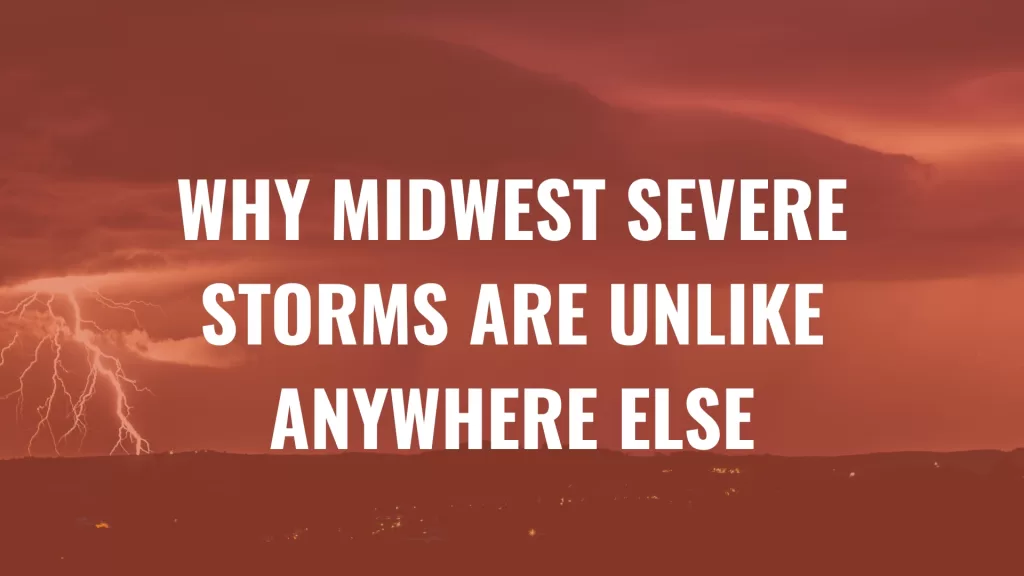
The Midwest is known for its friendly towns and endless farmland, but it’s also home to some of the world’s most powerful and unpredictable storms. Tornadoes, derechos, and severe thunderstorms are common across the region, fueled by unique geography and atmospheric conditions. Understanding what makes Midwest severe storms so extreme can help you prepare your home and protect your roof from serious damage.
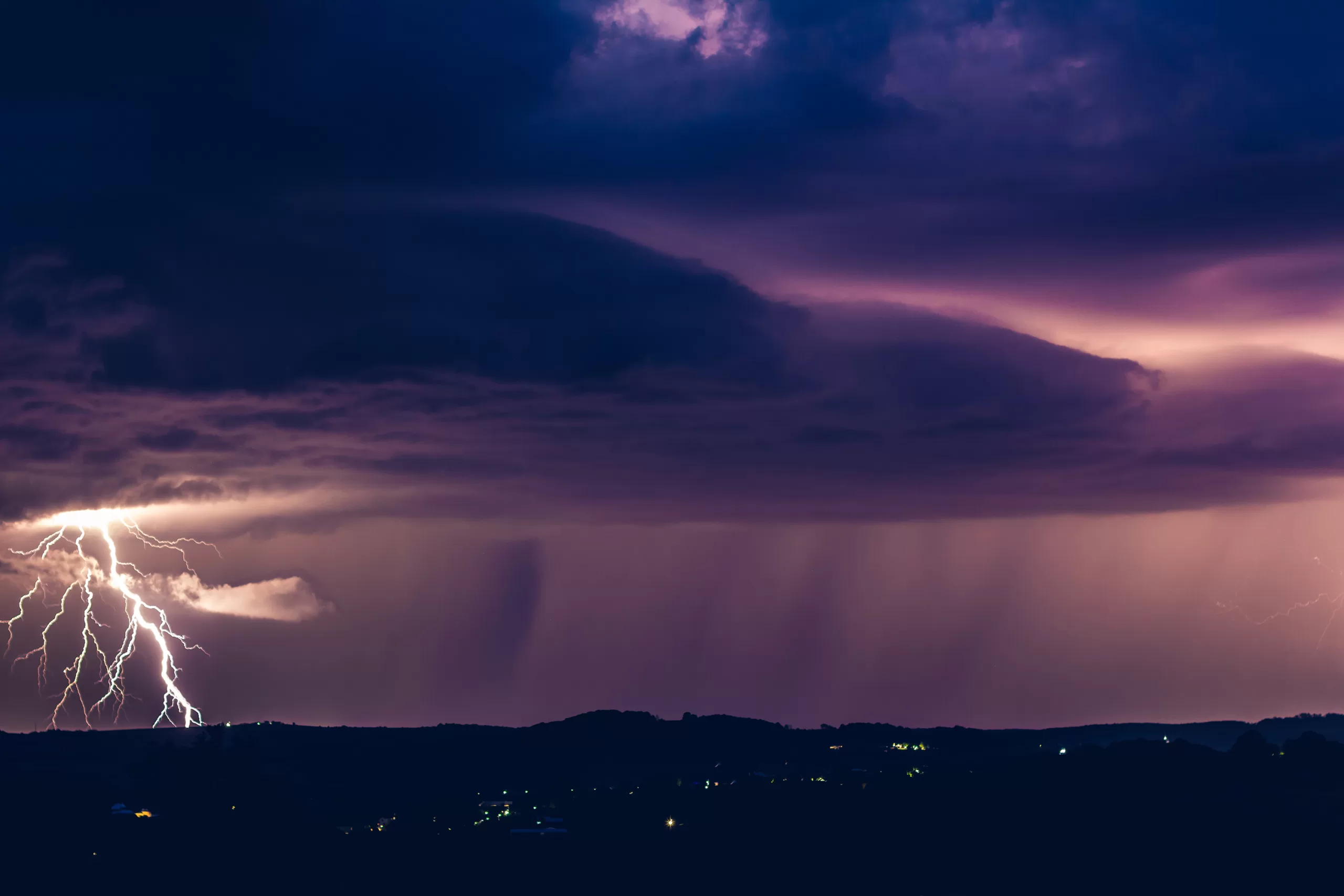
Unique Midwest Storm Features
The Midwest is often called the heart of “Tornado Alley,” where warm, moist Gulf air collides with cold, dry Canadian air across flat terrain. This mix creates one of the most storm-prone regions on the planet.
Tornado Alley
The flat landscape of the Great Plains makes it easier for powerful storms to form. When contrasting air masses meet, violent supercells can spin up tornadoes that devastate entire communities. This region produces more tornadoes each year than most of the world combined.
Extreme Instability (CAPE)
Convective Available Potential Energy (CAPE) is a measure of storm fuel. The Midwest regularly records some of the highest CAPE values in the world, creating unstable atmospheres primed for explosive thunderstorm development.
Vertical Wind Shear
Rapid changes in wind speed and direction with height help storms organize into rotating supercells instead of brief showers. This wind shear is why Midwest storms can last for hours and spawn multiple tornadoes in one outbreak.
Types of Severe Weather
Thunderstorms
Midwest thunderstorms can erupt suddenly as warm, humid air rises into cold fronts. These storms produce lightning, damaging hail, flash flooding, and fierce winds. NASA satellite imagery has shown just how massive Midwestern thunderstorms can grow, sometimes stretching across multiple states.
Derechos
Derechos are long lines of thunderstorms that unleash hurricane-force winds over hundreds of miles. These events knock out power, overturn vehicles, and cause widespread damage. NOAA recently tracked severe thunderstorms racing across the Midwest, showcasing their destructive power.
Tornadoes
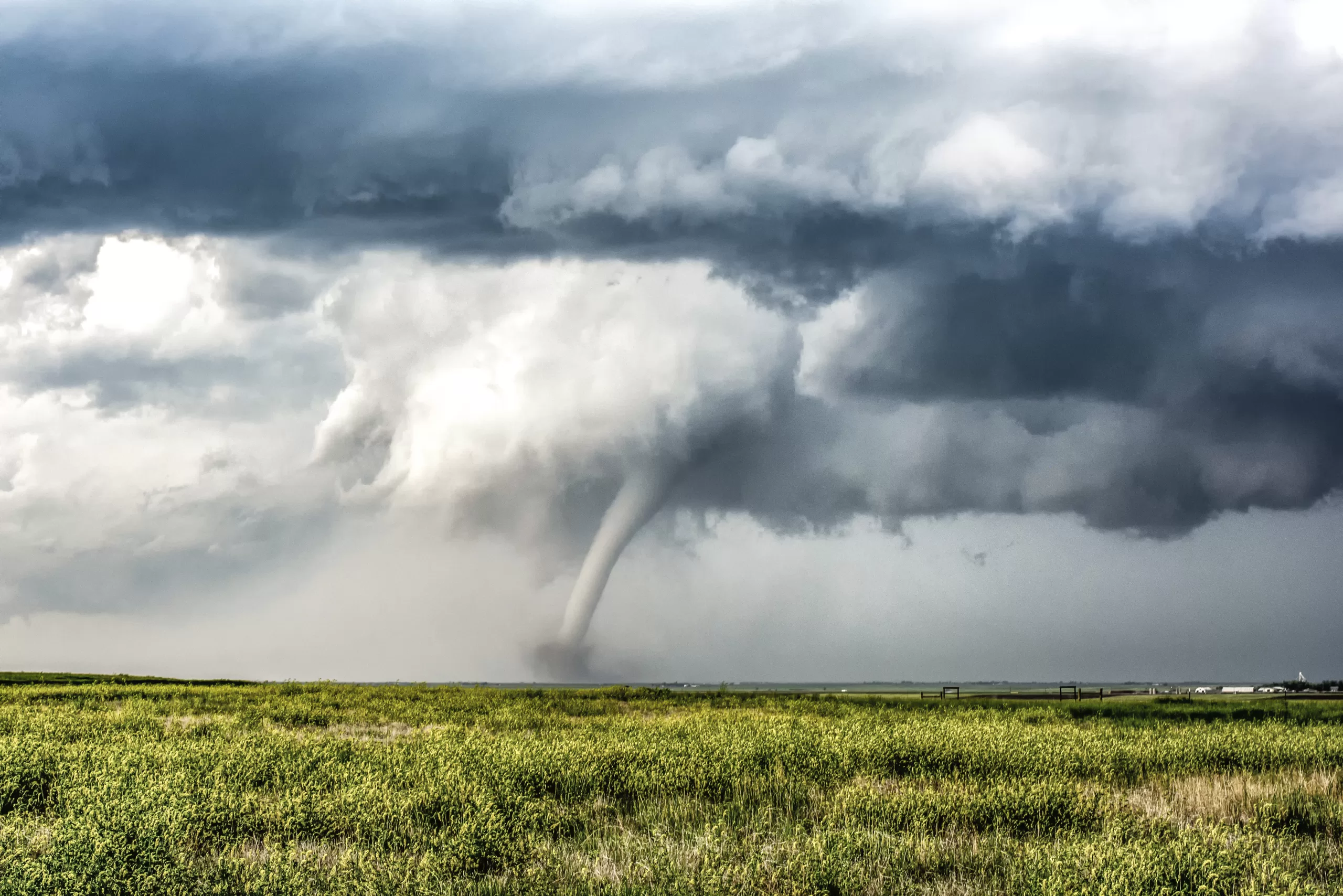
From rope tornadoes to massive wedge tornadoes, the Midwest experiences them all. Outbreaks in May and June often produce dozens of twisters in just a few days, making this region the tornado capital of the world.
What Makes Midwest Storms Unique
No other place on Earth combines Gulf moisture, Canadian cold fronts, and flat open land the way the Midwest does. This geography creates storms that are not only frequent but also incredibly powerful. It’s common for one system to produce multiple hazards—hail, tornadoes, flooding, and damaging winds all at once.
For homeowners, this means roofs and siding face constant threats. That’s why regular roof inspections and preventive maintenance are critical in this region.
Scientific Facts About Midwest Storms
- Storm season peaks in late spring and early summer, especially May and June.
- CAPE values in the Midwest are some of the highest ever measured worldwide.
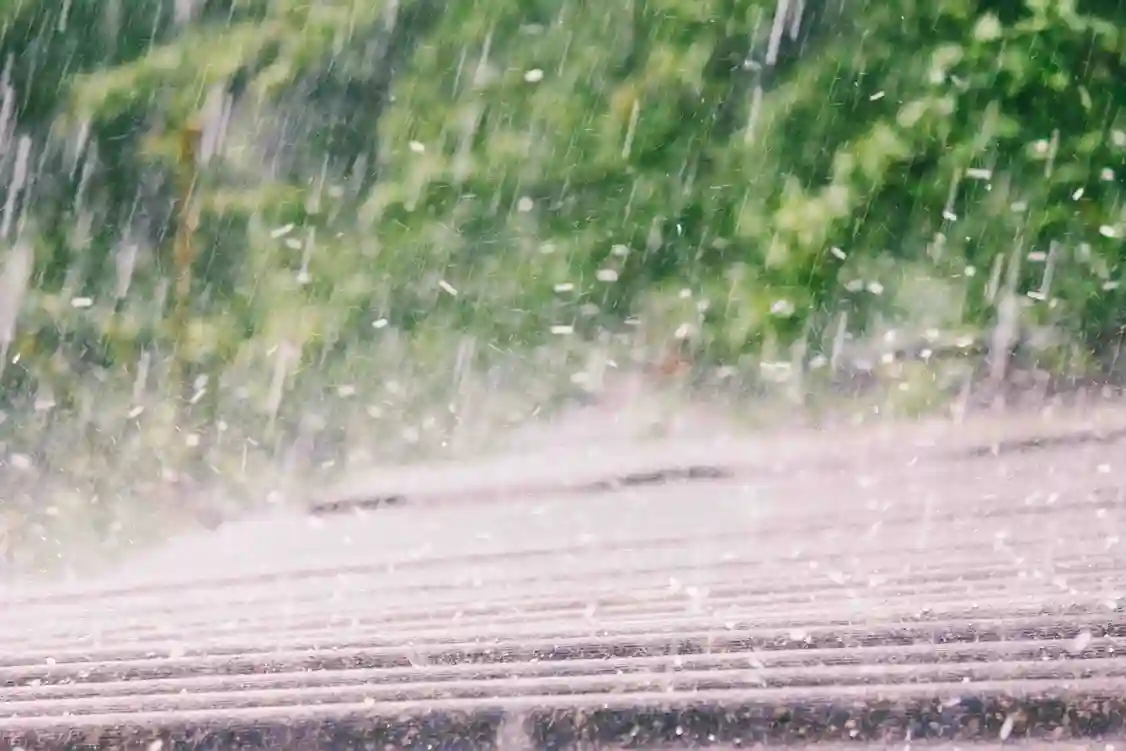
- Large hail bigger than tennis balls and winds exceeding 90 mph are not uncommon.
- Derecho winds have reached hurricane strength, damaging hundreds of miles of property.
- Tornadoes in this region are responsible for some of the deadliest storm events in U.S. history.
These extremes are why the Midwest requires durable, impact-resistant roofing systems. Choosing materials designed to withstand hail and high winds helps protect homes from repeated storm cycles.
Protecting Your Home
Midwest storms are among the most powerful in the world, but preparation makes a difference. Regular inspections, timely repairs, and durable roofing materials can help your home weather the worst conditions. If severe weather does strike, our storm damage repair team is ready to respond quickly.
Don’t wait until after the next big storm. Contact T-10 Construction today for a free inspection and expert guidance on protecting your home from Midwest severe storms.
FAQs
When is Midwest storm season?
Storm activity peaks from late spring into early summer, especially in May and June when warm Gulf air meets cooler northern systems.
What makes Midwest storms more severe than other regions?
The unique mix of warm, moist Gulf air, cold Canadian fronts, and flat terrain creates instability and strong wind shear, leading to intense storms.
What is a derecho?
A derecho is a line of fast-moving thunderstorms that produces widespread, hurricane-force winds. These events can cause massive damage across hundreds of miles.
How can homeowners prepare their roofs for storm season?
Schedule professional inspections, clear gutters, and consider impact-resistant roofing materials to protect against hail, wind, and water damage.
Does T-10 Construction provide storm damage repair?
Yes. We provide emergency tarping, repair services, and full roof replacements after severe weather across Minnesota, Wisconsin, and Iowa.