The Impact of Roof Color on Energy Efficiency: More Than Meets the Eye
In this educational guide, we’ll explore how roof color influences your home’s energy efficiency, why climate and roofing technology matter, and how you can make a choice that benefits both your comfort and your wallet. We’ll also point you toward trusted resources from government agencies and industry authorities for deeper learning.
1. Understanding How Roof Color Impacts Energy Efficiency
Two important scientific terms explain why roof color matters: solar reflectance and thermal emittance.
- Solar Reflectance (Albedo) – Measures how much sunlight a surface reflects rather than absorbs, rated from 0 to 1. Higher values mean better reflectivity.
- Thermal Emittance – Measures how effectively a material releases absorbed heat, also rated from 0 to 1.
Light-colored roofs tend to have higher solar reflectance, reflecting more of the sun’s energy and helping to keep a building cooler. Dark-colored roofs absorb more heat, which can lead to higher indoor temperatures and increased cooling costs in hot climates.
2. The Science Behind Cool Roof Technology
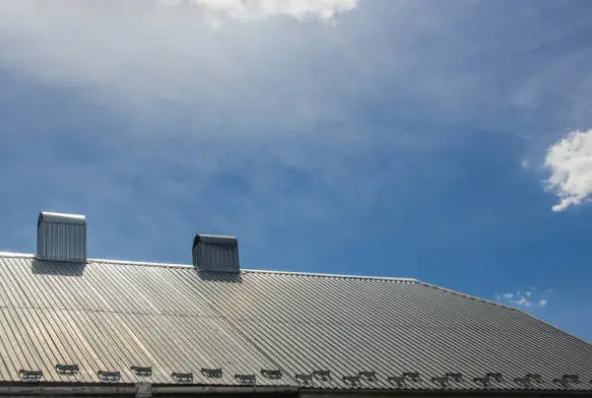
“Cool roofs” are designed to improve both solar reflectance and thermal emittance. According to the U.S. Department of Energy, cool roofing systems can reduce roof surface temperatures by up to 50°F on hot days.
Cool roofing isn’t just about white paint—manufacturers now produce asphalt shingles, metal roofing, tiles, and membranes in a variety of colors with advanced reflective coatings. These coatings are engineered to reflect infrared light even if the roof color is darker.
3. Light vs. Dark Roofs: Which Is Better?
Light-Colored Roofs
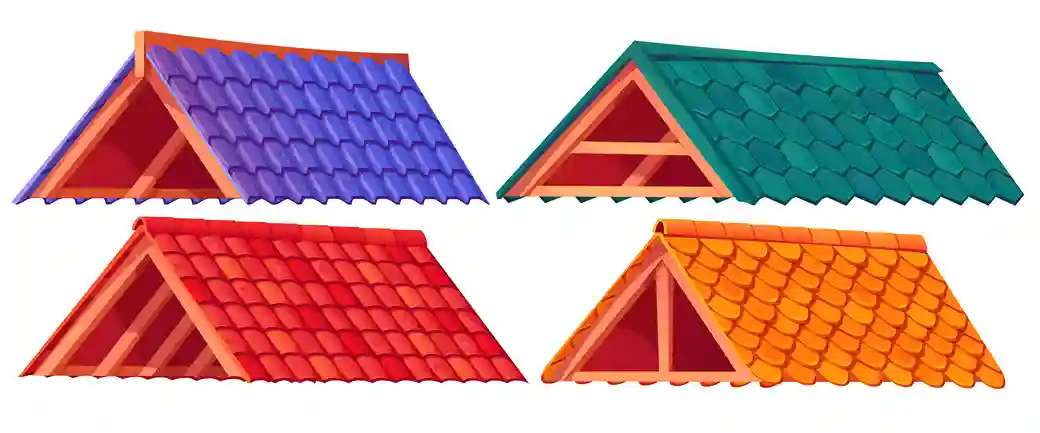
Light shades—white, beige, light gray—reflect more sunlight and heat. This can lower attic temperatures, reduce strain on air conditioners, and extend the lifespan of the roofing material. In warm climates, these benefits can translate into noticeable energy savings over time.
Dark-Colored Roofs
Darker colors absorb more solar heat, which can be beneficial in colder climates by reducing heating demand during winter. However, in hot climates, this absorption can significantly increase cooling needs and raise indoor temperatures.
Appearance vs. Performance
While appearance matters for curb appeal, performance should guide your decision—especially when replacing your roof. Many modern products allow you to have both: a color you love with energy-efficient properties.
4. How Climate Influences Roof Color Choice
Roof color selection should be guided by your region’s climate:
- Hot, Sunny Climates: Light-colored or cool roof products can significantly lower cooling costs.
- Cold, Overcast Climates: Darker roofs may help capture more heat from the sun, potentially lowering heating needs.
- Mixed Climates: Look for “cool color” technology products that balance both heating and cooling benefits.
For example, the U.S. Environmental Protection Agency (EPA) notes that cool roofs can also reduce the urban heat island effect, helping entire communities—not just individual homeowners.
5. Environmental and Community Impacts
Choosing the right roof color and material can do more than save you money—it can also benefit the environment:
- Lower Carbon Emissions: Less air conditioning use means less electricity demand, which can reduce greenhouse gas emissions from power plants.
- Urban Heat Island Reduction: Cool roofs help keep cities cooler, improving air quality and reducing heat-related health risks.
- Roof Longevity: Lower roof surface temperatures reduce material expansion and contraction cycles, which can extend the lifespan of the roof.
6. Recommended Government & Manufacturer Resources
- U.S. Department of Energy – Cool Roofs Overview
- EPA – Using Cool Roofs to Reduce Heat Islands
- ENERGY STAR® Certified Roof Products
7. Conclusion & Next Steps
The color of your roof is more than just an aesthetic decision—it’s a factor that can influence your energy bills, comfort, and even environmental impact. By understanding solar reflectance, thermal emittance, and how cool roof technology works, you can make an informed choice that benefits both your home and your community.
When replacing your roof, take time to research products that are optimized for your climate and certified for energy performance. Use the resources from the Department of Energy, EPA, and ENERGY STAR to find solutions backed by research and real-world testing.
Ready to explore your options? Contact T-10 Construction today for a no-obligation roof inspection and product consultation. We’ll help you choose a roof that’s beautiful, durable, and energy-efficient.