
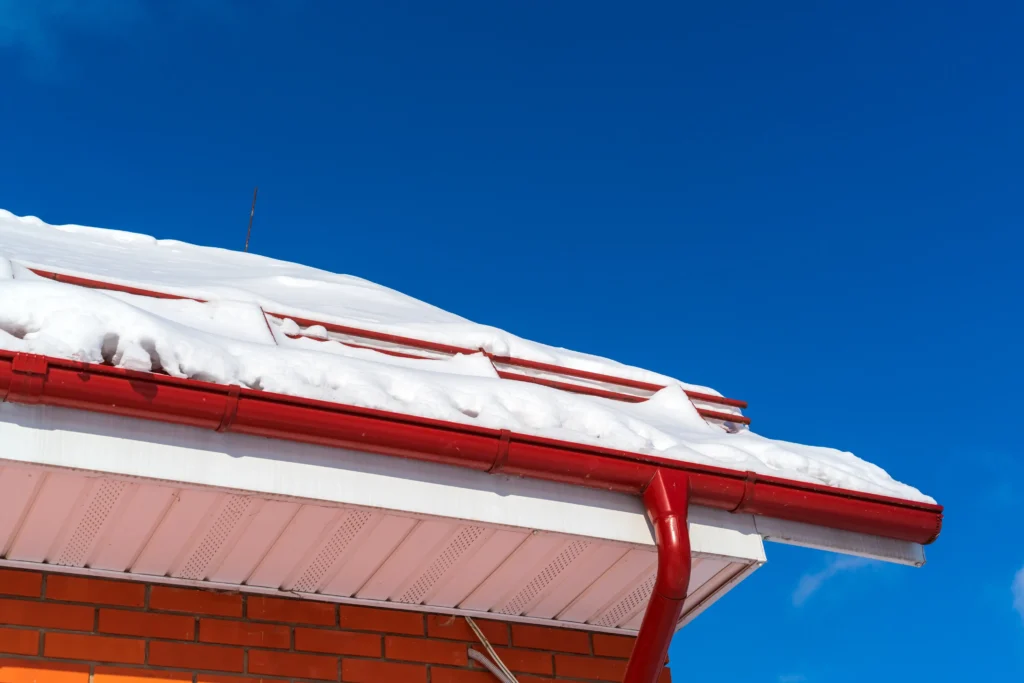
Preparing Your Roof for Warmer Weather
As March brings the first signs of spring, it is the ideal time to focus on your roof. After months of snow, ice, and surprise cold snaps, your roofing system needs attention to stay in top shape. A few smart moves now extend roof life, improve energy efficiency, and help you avoid emergency repairs when spring storms roll through.
This guide outlines a simple plan you can follow in a single weekend. It covers what to inspect first, how to clean safely, and which small fixes make the biggest difference. The steps here complement seasonal upkeep and set your home up for a healthy, leak‑free spring and summer.
Schedule a Roof Inspection
Winter is tough on shingles, sealants, and flashing. Freeze‑thaw cycles loosen fasteners and open hairline gaps that may not be visible from the ground. A professional inspection finds these issues early so they do not become major leaks once heavy spring rain arrives.
- What a pro checks: shingle condition, soft spots on decking, flashing around chimneys and skylights, sealant at vents, and the overall drainage path.
- Why timing matters: addressing small problems now is faster and far less expensive than repairing interior water damage later.
Planning a larger repair or replacement this year? Review our step‑by‑step prep guide: Prepare for a Roof Replacement or Repair.
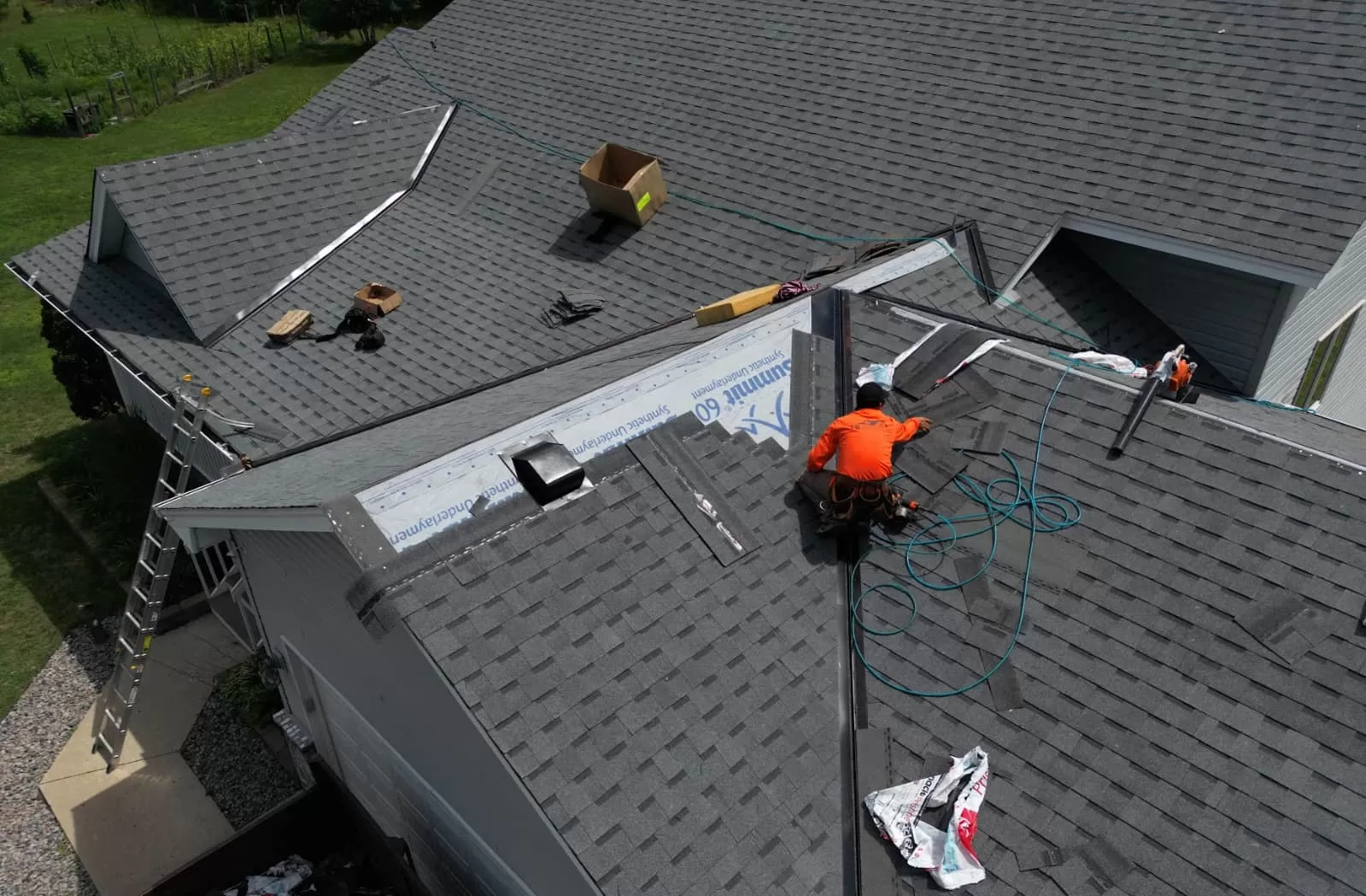
Roof Cleaning Essentials
Debris that builds up over winter traps moisture and slows runoff. That creates a perfect environment for algae and moss, and it pushes water under shingle edges. Keep things clear with the steps below.
1. Clear loose debris
Work from the ground with a roof rake or blower when possible. If you must climb, use a stable ladder, secure footing, and a helper. Brush away sticks and leaves from valleys and behind chimneys where debris likes to collect.
2. Clean gutters and downspouts
Gutters handle thousands of gallons of water during a single spring storm. When they clog, water backs up to the roof edge and can leak into soffits. Scoop out debris, flush with a hose, and make sure downspouts discharge several feet from the foundation. Consider guards if your trees shed heavily.
3. Treat stains the right way
Skip high‑pressure washing on asphalt shingles. It can strip protective granules. Use a gentle, manufacturer‑approved cleaner and a low‑pressure rinse. If you see widespread black streaks, that is algae. Address the cause as well as the symptom by improving sun exposure and runoff.
Concerned about musty odors or discoloration indoors after winter? Use the EPA’s mold cleanup guide for safe, practical steps if moisture has reached living spaces.
Preventive Measures
Small fixes now prevent bigger problems later. Prioritize these checks while the weather is cool and dry.
- Seal minor gaps: Look closely at flashing seams, nail heads, and transitions. Fresh sealant in these spots blocks water before it can travel.
- Replace damaged shingles: Curled, cracked, or missing shingles weaken the system. Replacing a few now is better than chasing leaks in May.
- Check attic ventilation and insulation: Balanced intake and exhaust keep the roof deck dry. Adequate insulation also supports comfort and can lower energy bills. For practical guidance, see the U.S. Department of Energy’s home maintenance and energy efficiency tips.
- Trim overhanging branches: Branches rub granules off shingles and drop twigs that clog gutters. Keep limbs several feet clear.
- Check fasteners and accessories: Make sure pipe boots are flexible, ridge vents are secure, and satellite or holiday‑light anchors are sealed.
Need expert help with maintenance or repairs? Explore our residential roofing services for inspections, tune‑ups, and repair options tailored to your home.
Weather Readiness
Spring in the Midwest can swing from bright sun to fast‑moving downpours. Prepare your roof and drainage so your home stays dry and comfortable.
- Confirm fast drainage: Water should move off the roof and into downspouts without pooling. Pay attention to low spots on low‑slope sections and seal blisters or seams.
- Reinforce vulnerable areas: Valleys, eaves, and penetrations take the brunt of wind‑driven rain. Extra attention here pays off through the entire storm season.
- Direct water away from the house: Extend downspouts so discharge points are several feet from the foundation. Regrade soil if needed to maintain positive slope.
- Build a simple seasonal routine: After major storms, do a quick walk‑around with binoculars. Look for fresh granules at downspout ends, lifted shingles, or dented vents.

Quick FAQs
How often should I schedule roof maintenance in spring?
At least once each spring. Homes with heavy tree cover or past leak history benefit from a mid‑summer follow‑up.
Can I clean the roof myself?
Light debris removal and gutter cleaning are fine for many homeowners who are comfortable on ladders. Leave steep slopes, fragile shingles, and chemical treatments to a professional.
What are the early signs of a leak?
Ceiling stains, musty odors in the attic, soft drywall near exterior walls, or a sudden spike in granules at downspouts are common early indicators.
Conclusion
Preparing your roof for warmer weather is simple when you know where to focus. Inspect key areas, clean for smooth water flow, and handle small fixes before they grow. The result is a roof that looks better, lasts longer, and protects your home through spring showers and summer heat.
Ready to schedule a checkup or get help with repairs? Start here: Plan your roof project. If you prefer a quick tune‑up or targeted repairs, our team can help through our residential roofing services. We are here to keep your home dry and comfortable all season long.
Work With T-10 Construction
Need a Roofer? Get a Free Roof Inspection from T-10 Construction — serving Minnesota, Wisconsin, and Iowa.
Our Services: Residential Roofing | Storm Damage Repair | Commercial Roofing | Siding
We Serve: Oak Grove | Zimmerman | Ramsey | Big Lake | Andover | Minneapolis | View All Areas