Do You Need To Replace a Leaky Roof?
Do You Need to Replace a Leaky Roof? Signs, Causes, and Solutions
Discovering that your roof is leaking can be stressful, but do you need to replace a leaky roof right away? The answer depends on the cause, extent of the damage, and the age of your roofing system. Addressing a leak quickly is critical to protect your home’s structure, prevent mold growth, and avoid expensive repairs down the line.
Signs of a Leaky Roof
Leaks aren’t always obvious. Some start small and cause hidden damage before they become visible. Here’s what to look for both inside and outside your home:
Inside Your Home
- Mold or mildew: Moisture inside the attic or ceilings can lead to mold growth, which is a serious health concern.
- Water rings or stains: Brown, yellow, or copper-colored spots on ceilings or walls often indicate slow leaks.
- Peeling paint or bubbling plaster: This can occur when water seeps into wall or ceiling materials.
- Musty odors: Persistent damp smells may point to a long-term moisture problem.
Outside Your Home
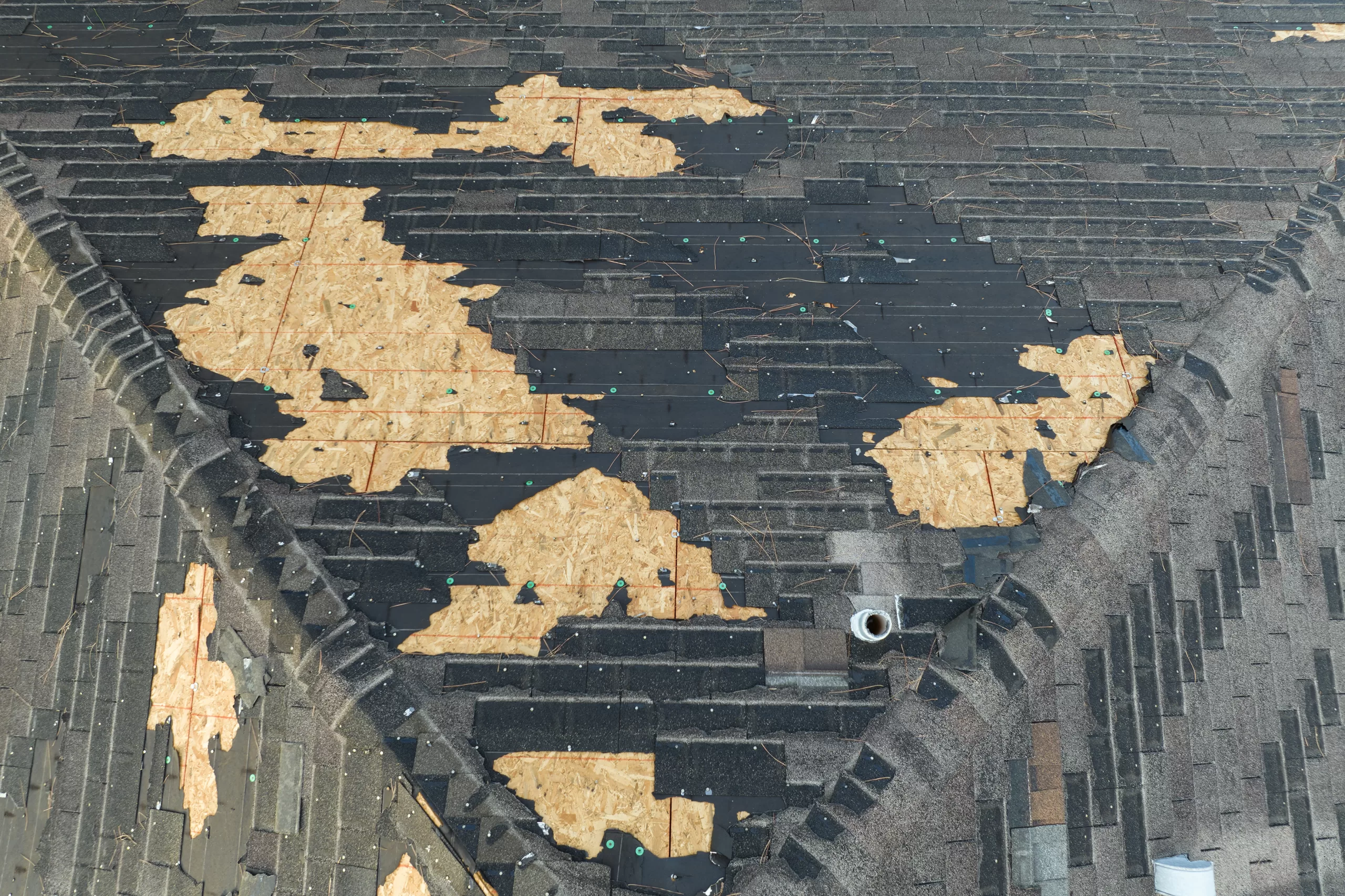
- Missing or damaged shingles: Gaps in your roofing can allow water infiltration.
- Cracked or loose flashing: Flashing seals roof edges, valleys, and around penetrations like chimneys—when compromised, leaks follow.
- Clogged gutters: Overflowing gutters can push water under the roof edge and into your home.
- Sagging roof deck: A visible dip in the roof line may signal structural water damage.
Common Causes of Roof Leaks
Several issues can cause roof leaks, from aging materials to weather damage. Common culprits include:
- Cracked flashing: This protective barrier prevents water from entering at roof joints and edges.
- Ice dams: In winter, melted snow can refreeze at the eaves, forcing water under shingles.
- Poor ventilation: Excess attic heat and moisture can weaken roofing materials from the inside.
- Damaged shingles: Storms, wind, and hail can loosen or crack shingles, exposing underlayment.
- Shallow roof slopes: Water drains more slowly and may penetrate overlaps on low-pitch roofs.
For a deeper understanding of how weather can impact your roof, see our resource on Midwest roof weather challenges.
How to Inspect for Leaks
If you suspect a leak, it’s best to have a professional inspection, but you can perform some checks yourself:
- Use binoculars from the ground to look for missing shingles or flashing damage.
- Check the attic after rain for damp spots, dark stains, or mold.
- Look around chimneys, skylights, and vents—common leak points.
- Run water from a hose over suspect areas while someone checks inside for drips.
If you find evidence of damage, schedule a professional roof inspection to assess the extent.
Repair vs. Replace: How to Decide
Whether you repair or replace depends on several factors:
- Roof age: If your roof is near the end of its expected lifespan, replacement may be more cost-effective.
- Extent of damage: Localized issues can often be repaired, but widespread damage typically requires replacement.
- Underlying deck condition: If leaks have caused rot or sagging, the decking must be replaced, which often justifies a full roof replacement.
- Previous repairs: If the roof has had multiple patches, replacement may provide better long-term protection.
For guidance on roof lifespan expectations by material, visit our article How Long Should My Roof Last?
How to Prevent Roof Leaks
- Regular inspections: Have your roof checked annually and after major storms.
- Clean gutters: Prevent water backup and ice dam formation.
- Trim overhanging branches: Avoid abrasion and falling debris damage.
- Seal and flash properly: Pay extra attention to chimneys, vents, and skylights.
- Ensure proper attic ventilation: Prevent heat and moisture buildup that damages roofing from within.
The W Home Group describe how energy efficient roofing can save money long-term, and boost home value.
FAQs
Can a small leak be repaired without replacing the whole roof?
Yes, if the damage is localized and the rest of the roof is in good condition. Early action is key.
Will my homeowners insurance cover a roof leak?
Insurance may cover sudden damage (like from storms) but usually excludes wear and tear. Review your policy details.
How much does it cost to repair a leaky roof?
Small repairs can cost a few hundred dollars, while major structural repairs may run into thousands. A professional estimate will clarify.
Conclusion and Next Steps
Do you need to replace a leaky roof? Not always—but you must act quickly. Small, contained leaks often require simple repairs, while major or repeated leaks may call for a full replacement.
The sooner you address the issue, the better you can protect your home’s structure, air quality, and value. Schedule an expert roof inspection today for a clear plan of action.