Is Your Roof Ready for Storms? Essential Tips
Storm season in the Midwest brings heavy rains, high winds, and severe thunderstorms—all of which can put your roof to the test. Proactive preparation now helps prevent costly damage and ensures your home stays protected when storms hit. Here’s how to make sure your roof is storm-ready.
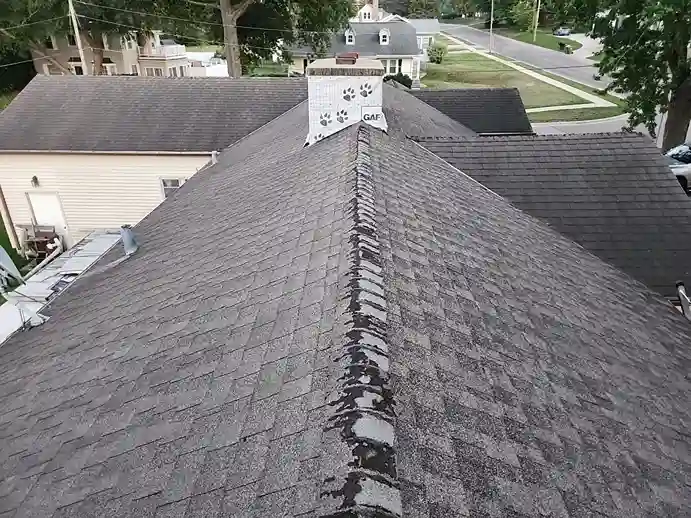
Signs Your Roof Needs Attention
1. Missing or Damaged Shingles
Check for shingles that are cracked, curled, or missing. Even minor damage can worsen in a storm, leading to leaks and interior water damage. Addressing shingle issues early is one of the best ways to strengthen your roof.
2. Sagging Areas
If your roofline shows dips or sagging, it may indicate structural damage. This should be inspected immediately to avoid collapse or significant water intrusion during storms.
3. Debris Buildup
Leaves, branches, and dirt trap moisture and can cause mold or rot. Clear your roof regularly to allow proper drainage and reduce the risk of water pooling in vulnerable areas.
4. Gutter Condition
Clogged or broken gutters prevent water from draining properly. Make sure your gutters and downspouts are clear and directing water away from your foundation. Poor drainage can lead to leaks or basement flooding.
For a complete homeowner checklist, Owens Corning offers a detailed storm damage inspection guide that can help you spot problems early.

Essential Protection Tips
Schedule a Professional Inspection
Before storm season peaks, schedule a professional roof inspection. An experienced contractor can identify weak spots and recommend repairs that protect your home from high winds and heavy rain.
Secure Loose Items
Satellite dishes, vents, and other loose materials can become dangerous projectiles during storms. Secure them firmly and trim overhanging branches that may fall on your roof.
Reinforce Vulnerable Areas
Water tends to collect around valleys, chimneys, and skylights. Ensure these areas are sealed and flashing is intact. Reinforcement now can prevent leaks later.
Invest in Impact-Resistant Materials
If you’re considering a roof replacement, impact-resistant shingles provide stronger protection against hail and debris. Manufacturers like IKO highlight the benefits of upgrading to storm-rated systems in their storm-proofing guide.
Create an Emergency Plan
Even with preparation, severe weather can still cause damage. Have an emergency kit ready, know how to shut off power, and keep contact information for roofing professionals handy in case of urgent repairs.
If a storm does damage your roof, our team specializes in storm damage repair and can help you restore your home quickly and safely.
Be Prepared and Stay Safe
The storm season is unpredictable, but proper preparation reduces risks. Regular maintenance, inspections, and timely repairs help your roof withstand high winds, heavy rains, and flying debris. Don’t wait until after the next storm—contact T-10 Construction today for a free inspection and storm-readiness consultation.
FAQs
How do I know if my roof is storm-ready?
Look for damaged shingles, sagging areas, and clear gutters. A professional inspection provides the most reliable assessment before storm season.
What roofing materials are best for storm protection?
Impact-resistant shingles and reinforced underlayment provide added protection against hail, wind, and flying debris.
Can clogged gutters make storm damage worse?
Yes. Blocked gutters trap water on your roof, leading to leaks, rot, and potential foundation damage during storms.
How often should I have my roof inspected?
At least once a year, and after any major storm. Regular inspections help catch problems early.
Does T-10 Construction help with storm damage repairs?
Yes. We provide inspections, emergency tarping, and full storm damage repair services across Minnesota, Wisconsin, and Iowa.