Preventing Roof Leaks Before Spring Showers Arrive
As winter fades, spring rains bring a fresh risk of roof leaks. The transition can expose winter wear and tear, from ice dams to clogged gutters, creating vulnerabilities if left unchecked. This guide equips you with step-by-step actions to strengthen your roof, avoid costly repairs, and welcome spring worry-free.
On This Page
1. How Winter Affects Your Roof
Winter takes a toll through:
- Freeze-thaw cycles: Repeated expansion and contraction open cracks in shingles and flashings.
- Clogged gutters: Built-up ice, leaves, and debris block drainage, causing water pooling and potential leaks.
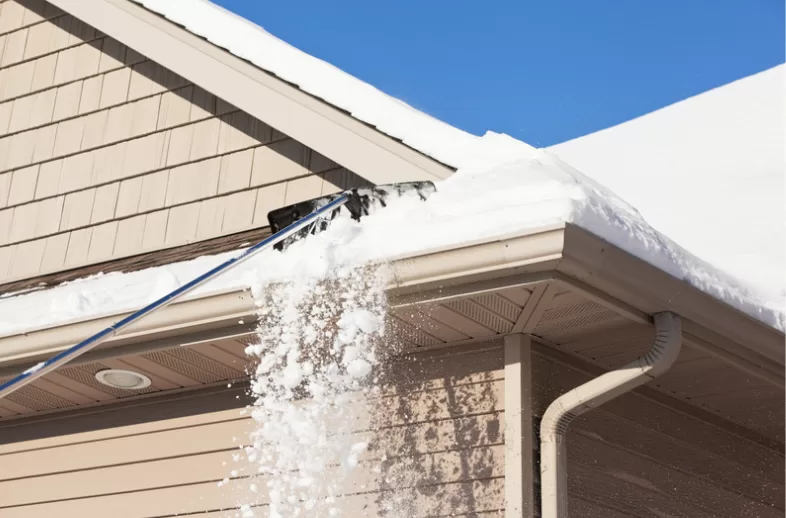
- Ice dams and melting snow: As snow melts during the day and refreezes at the eaves, water may back up under shingles and penetrate your home’s interior.
Understanding these mechanisms helps you pinpoint where damage likely occurred and prevent repeat issues.
2. Key Areas To Inspect
Conduct a thorough check of your roof with extra attention to:
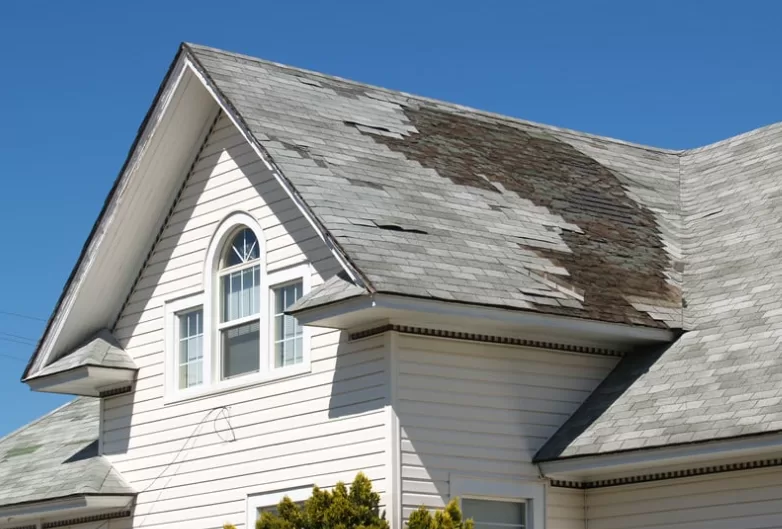
- Shingles: Look for cracked, curled, or missing shingles.
- Flashing: Make sure seals around chimneys, vents, and skylights are secure.
- Attic ceiling and insulation: Check for water stains, damp insulation, or mold.
- Gutters & downspouts: Confirm they are clear and firmly attached.
GAF’s spring roofing checklist is a great visual guide to keep handy during your inspection. :contentReference[oaicite:6]{index=6}
3. Proactive Maintenance Tips
Here’s what you can do to head off spring leaks:
- Clean gutters and downspouts: Remove all debris to improve drainage and minimize ice dam risks.
- Rake or clear snow: Use a roof rake to remove snow from edges, reducing ice buildup potential.
- Seal gaps: Apply high-grade roofing caulk around vent pipes, chimneys, and skylights.
- Add underlayment: If re-roofing is on your radar, consider water-resistant underlayment for extra protection.
- Trim branches: Remove overhanging limbs to reduce moisture and moss buildup.
4. Additional Protective Steps
To boost resilience all year round:
- Install gutter guards to reduce debris buildup in leaves season.
- Apply de-icing cables or calcium chloride socks to prevent ice dams—but consult a pro for proper use. :contentReference[oaicite:7]{index=7}
- Upgrade attic insulation and ventilation to maintain roof temperature consistency and avoid snow melt/refreeze cycles.
5. When to Call a Professional
Consider professional help if you observe:
- Repeated leaks despite simple fixes.
- Damaged or warped shingles that are widespread.
- Attic staining, structural wood damage, or suspected ice dam formation.
An expert inspection not only confirms issues, but offers dependable, long-term repair solutions.
6. FAQs
What are the most common spring roof issues?
Typical spring damage includes ice‑dam‑induced leaks, gutter overflow, and shifting or broken flashings.
How do I safely remove ice dams?
Avoid chipping ice off the roof—use calcium chloride in socks or call a roofing professional to manage safe removal and repair.
Learn more about ice dam risks and prevention methods in our spring guide.
How often should I inspect my roof?
Inspect your roof at least twice a year—after winter and after summer—or more frequently if storms are common in your area.
7. Conclusion & Next Steps
Spring doesn’t have to bring worry. With timely inspections, gutter upkeep, sealant applications, and vigilance after winter, you can safeguard your home against water damage early.
Need help evaluating your roof’s condition or applying preventive treatments? Schedule a FREE roof inspection with T-10 Construction—no pressure, just peace of mind.
- Schedule your free inspection
- Call us at: (612) 254-8060
Protect your home before the rain starts
contact T-10 Construction today for a FREE roof inspection and expert maintenance solutions tailored to Midwest weather. Call (612) 254-8060 or schedule your appointment online.