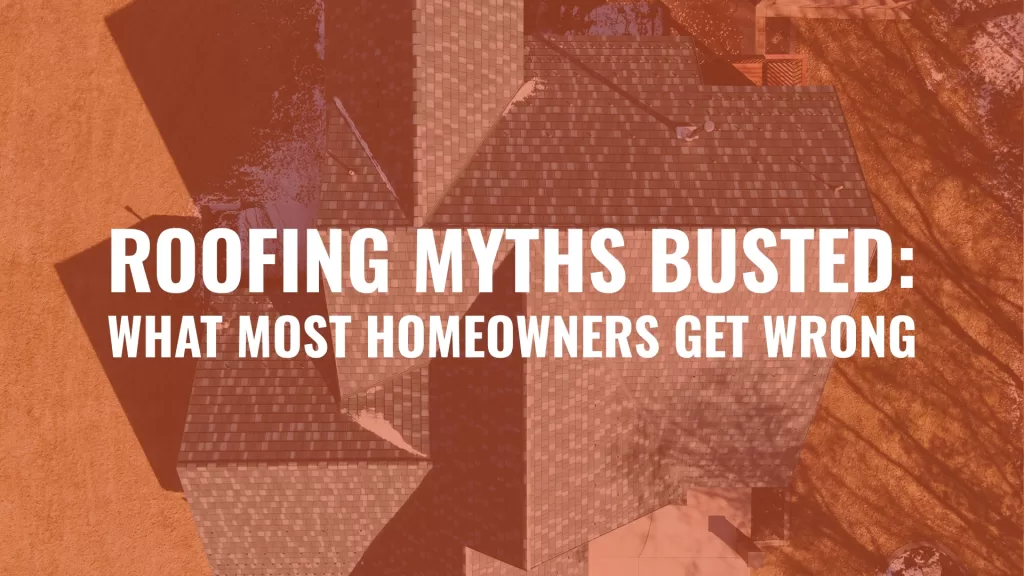
Roofing Myths Busted: What Most Homeowners Get Wrong
From DIY shortcuts to insurance assumptions, roofing myths can cost homeowners serious money. In this post, we break down the most common misconceptions about roof care, materials, and maintenance. Let’s set the record straight—your roof depends on it.
Common Roofing Myths and Why They Persist
Let’s bust some of the most common roofing myths that still circulate in Minnesota, Wisconsin, and Iowa.
"I only need a new roof if it leaks."
Leaks are usually a late-stage symptom. Hidden damage from poor ventilation, worn decking, or aging shingles can compromise your roof long before water shows up inside. A professional inspection can reveal issues early. As noted in Rodd Roofing’s breakdown of roofing myths, regular inspections are critical for catching damage before it spreads.
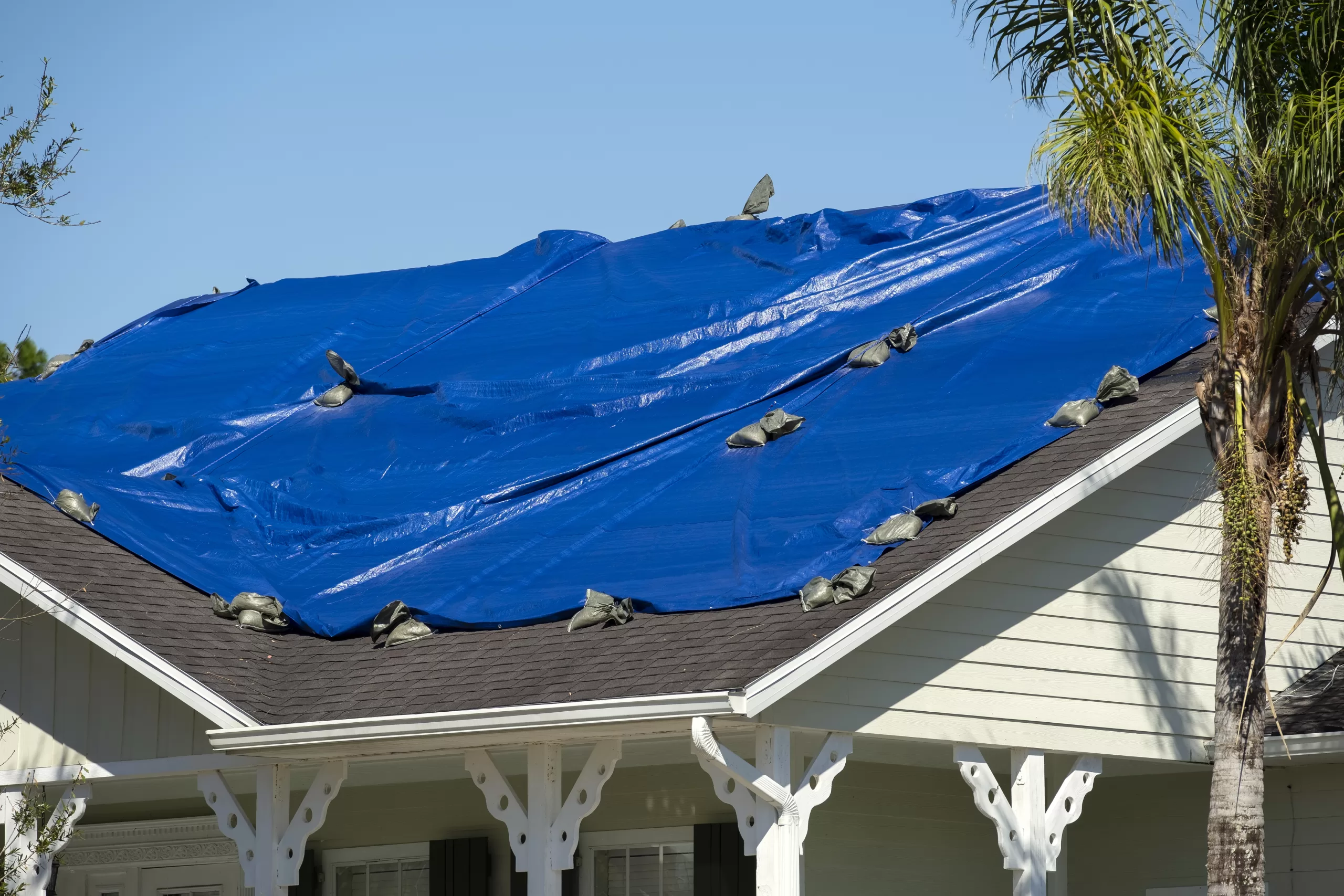
"It’s okay to shingle over old shingles."
Not always. Double-layered roofs can hide damage, exceed weight limits, and void warranties. According to Action Roofing Ltd, this common shortcut often leads to long-term problems that outweigh short-term savings.
"DIY roof repairs are just as good."
Without the right tools, training, or safety gear, DIY work risks injury, faulty repairs, and major warranty issues. Climbing up with a caulk gun might seem smart—until a storm hits. Rodd Roofing emphasizes that trained pros are essential when it comes to diagnosing and repairing roof damage safely and effectively.
"All shingles are basically the same."
Shingles vary in material, durability, and impact resistance. Action Roofing highlights how asphalt shingles alone come in several grades—and that choosing the right one matters, especially in cold climates like ours.
The Real Risks of Believing Roofing Myths
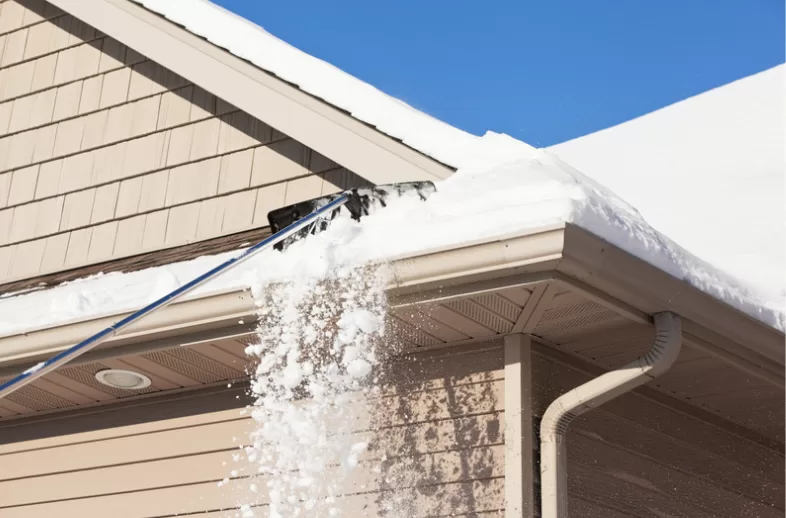
Falling for common myths doesn’t just cost money. It can shorten your roof’s lifespan and complicate insurance claims. Ignoring ventilation issues, misjudging hail damage, or postponing replacement can lead to costly interior repairs and mold concerns.
If your home has taken storm damage, explore our storm damage repair services to act fast and protect your investment.
Trusted Roofing Facts Every Homeowner Should Know
Let’s replace fiction with facts.
- Insurance doesn’t always cover storm damage—especially if maintenance has been neglected. Documentation and timing matter.
- Modern metal roofing is energy-efficient, snow-shedding, and stylish—not just for barns.
- Professional inspections catch issues early and protect against surprise costs. Our residential roofing experts offer comprehensive evaluations year-round.
- Ventilation and insulation go hand-in-hand with roof performance. Poor airflow can age your roof from the inside out, as both articles above reinforce.
Roofing Myths FAQ
Can you really put new shingles over old ones?
Sometimes—but it's not usually recommended. It can hide damage and cause weight issues. Most pros suggest a full tear-off for proper inspection and installation.
How often should I get my roof inspected?
At least once a year, or after any major storm. Regular inspections help catch problems early and support your insurance documentation if needed.
Is metal roofing too noisy or industrial-looking for homes?
Nope. Modern metal roofs are designed with underlayment that reduces noise and come in styles that complement residential architecture.
Do all roofing materials last the same amount of time?
Not even close. Asphalt shingles can last 15–30 years, while metal or slate can go 40+ with proper maintenance.
Will my insurance automatically cover roof damage?
Not automatically. Coverage depends on your policy and the condition of your roof. Insurers may deny claims due to lack of maintenance or pre-existing issues.
Conclusion
When it comes to your home, facts beat folklore. Don’t let roofing myths lead to costly mistakes or unsafe shortcuts. If you’re unsure about your roof’s condition, let’s talk. We offer professional assessments and honest advice with every inspection.
Learn how to prepare for a roof replacement or repair or explore our residential roofing services to get expert help year-round. You can also contact us to schedule a no-obligation consultation.