Roofing Safety Tips: How to Stay Safe While on a Roof
Working on a roof is inherently risky. Slips, trips, falls, electrical contact, and tool misuse can turn a simple task into a serious injury. Whether you are tackling a DIY repair or managing a professional project, roof safety should be your top priority. This guide walks through practical steps to reduce risk before, during, and after you climb a ladder.
On this page
1. Conduct a Risk Assessment
Walk the property at ground level before you set a ladder. Identify hazards such as power lines, loose gutters, slick surfaces, hornet nests, skylights, wet leaves, or fragile decking. Note roof pitch and height. If the slope is steep or the surface is wet or icy, postpone the work or call a professional. Decide in advance how materials, tools, and debris will move up and down safely.
Electrical awareness matters. Treat every overhead line as live. Maintain safe distance when moving ladders and long tools. Many serious incidents happen before anyone steps onto the roof.

2. Use Adequate Safety Equipment
Never compromise on personal protective equipment. At minimum, use:
- Fall protection: full body harness, shock-absorbing lanyard or rope grab, lifeline, and a rated anchor point installed per manufacturer instructions.
- Footwear: sturdy, non‑slip shoes with clean soles. Replace worn treads.
- Eye and hand protection: safety glasses and heavy work gloves to guard against sharp shingle edges and flashing.
- Hearing protection: when using nailers, saws, or generators.
- Respiratory protection: use appropriate masks when cutting, sanding, or applying chemicals.
For official fall protection rules on steep roofs and elevated edges, review OSHA’s construction fall protection guidance: OSHA Fall Protection.
3. Practice Ladder Safety
Select the right ladder for height and duty rating. Inspect it for cracks, bent rungs, or loose feet. Set it on firm, level ground and secure the top to prevent movement.
- Follow the 4 to 1 rule: for every 4 feet of elevation, place the ladder base 1 foot out from the wall.
- Extend at least 3 feet above the landing point.
- Maintain three points of contact at all times.
- Do not carry heavy tools while climbing. Use a rope, hoist, or bucket once you are stable.
NIOSH offers practical ladder guidance and a free safety app for angle setup and checklists: NIOSH Ladder Safety Resources.
4. Exercise Proper Tool Handling
Learn the tool on the ground first. Read the manual. Check guards and safety features, and confirm batteries and cords are in good condition. Keep blades sharp so you do not force cuts from unstable positions. Secure tools in a pouch or tethered lanyard. Never leave loose tools on slopes where they can slide off the roof edge.
5. Bring a Friend or Spotter
Do not work alone. A spotter can stabilize the ladder, hand off tools, watch for changing conditions, and call for help if needed. Communicate your steps before you climb. Establish a simple set of signals or verbal cues. Keep children and pets inside during the work window.
6. Keep an Eye on the Forecast
Avoid roof work in rain, strong winds, lightning, or extreme temperatures. Surfaces become slick quickly. Heat stress and cold stress reduce concentration and reaction time. Plan the job for dry, mild weather with enough daylight to finish safely. If conditions change, stop work and climb down.
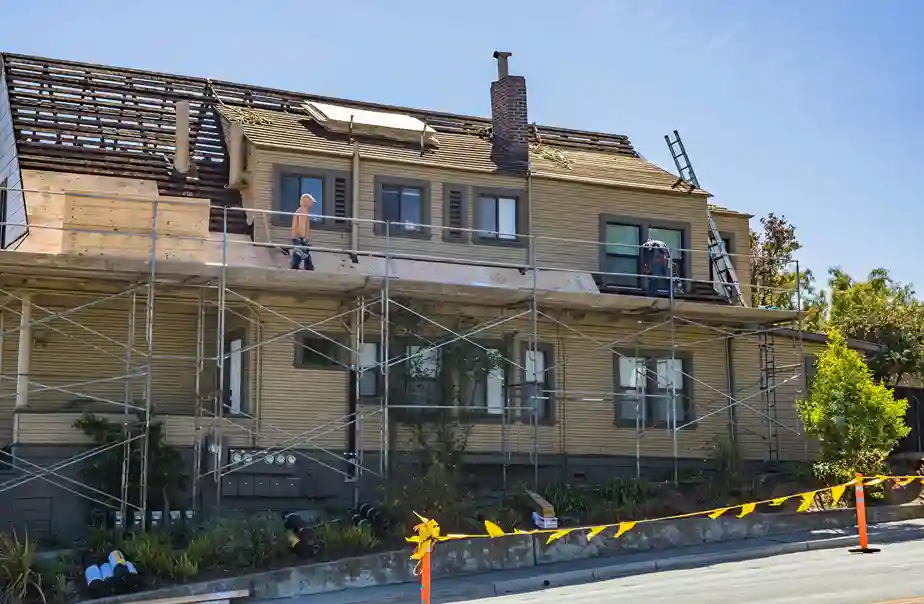
7. Extra Precautions Most People Miss
- Skylights and fragile surfaces: do not step on skylights or plastic panels. Treat them as openings. Mark them with visible tape so you and your helper remember their locations.
- Debris management: set a tarp and a designated drop zone. Move nails and cutoffs into a bucket. Do not toss items blindly over the edge.
- Material handling: lift smaller loads. Wind can catch sheathing, underlayment, and shingle bundles.
- GFCI protection: plug corded tools into GFCI outlets or use an in‑line GFCI to reduce shock risk.
- Housekeeping: keep walk paths clear. Coil hoses and cords to prevent trip hazards.
- Know when to stop: if pitch, height, or scope exceeds your comfort or equipment, hire a qualified crew.
8. FAQs
Does OSHA require a harness on roofs
On construction sites, fall protection is required for work at heights of 6 feet or more. On steep roofs, use a personal fall arrest system anchored to a rated point, plus guardrails or safety nets where applicable. See OSHA Fall Protection for full details.
What are the most common roofing accidents
Most incidents involve ladder falls, slips on wet surfaces, and uncontrolled tool movement. NIOSH reports that ladder falls are a leading cause of serious injuries during construction tasks. Review NIOSH fall prevention resources before you start.
Do I need professional assistance for roof safety
If you lack proper fall protection, have a steep or high roof, or need to work near electrical lines, hire a professional. Experienced crews bring the right anchors, harness systems, and staging to keep the job controlled and safe.
9. Conclusion
Roof safety is a plan, not a guess. Assess hazards, use proper PPE and fall protection, set ladders correctly, handle tools with intention, work with a spotter, and watch the weather. If the job is risky or the conditions are not ideal, bring in a qualified team.
Prefer to stay off the ladder Schedule a free roof inspection with T‑10 Construction. We will assess the condition, identify hazards, and recommend a safe path forward.
Curious about your insurance coverage?
Want to skip the hassle? Call T-10 Construction today for a FREE inspection and insurance support!