How to Spot a Roof Leak Before It Becomes a Major Issue
How to Spot and Prevent Roof Leaks Before Winter
As November brings cooler temperatures and increased rainfall, it’s essential to pay attention to the health of your roof. A leaky roof can cause mold growth, structural issues, and costly repairs if ignored. By learning how to identify the warning signs and acting quickly, you can protect your home, save money, and avoid stress. Here’s how to spot a roof leak before it becomes a major problem and the steps you can take to prevent future issues.
Signs of a Roof Leak
1. Water Stains on Ceilings or Walls
Brown or yellow water stains on ceilings or walls are often the first visible sign of a leak. These marks usually indicate that water is seeping through the roof and making its way into your living spaces. Addressing stains early prevents more serious damage like drywall collapse or rot.
2. Damp or Musty Odors
If your home smells damp or musty, water intrusion may already be happening. Mold and mildew thrive in moist areas, and odors are often the first indication. Ignoring them can lead to health concerns and expensive remediation.
3. Curling or Buckling Shingles
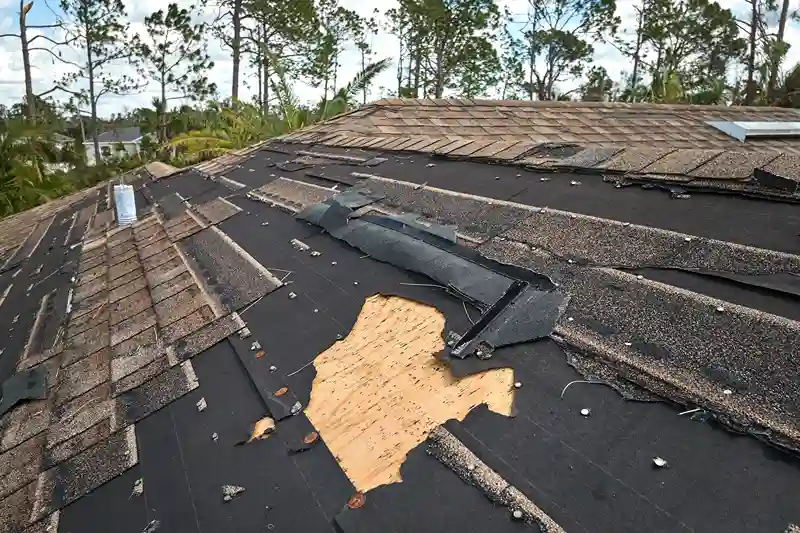
Shingles that curl, buckle, or crack leave your roof vulnerable. Damaged shingles allow water to seep underneath, weakening the underlayment and decking. Routine roof inspections help identify problem areas before leaks spread inside.
4. Pooled Water on Flat Roofs
On flat or low-slope roofs, watch for areas where water lingers after rainfall. Pooling water adds stress to roofing materials and often leads to leaks over time. This issue requires prompt drainage solutions or professional repairs.
5. Visible Mold or Mildew
Mold in the attic or along walls often points to excess moisture from a roof leak. Left unchecked, mold spreads quickly, weakening building materials and creating health risks for your family.
6. Inspect the Attic
Your attic is a critical area to monitor. Look for damp insulation, dark water streaks, or warped decking. Any of these could indicate a slow leak that hasn’t yet shown up in living spaces.
7. Perform a Visual Inspection
After storms, inspect your roof from the ground. Missing shingles, damaged flashing, or debris buildup can compromise your roof’s ability to shed water. Use binoculars for a closer look, but avoid climbing onto the roof without proper safety equipment.
For more details on why leaks happen, Owens Corning provides an excellent homeowner guide on understanding roof leaks and their causes.

Steps to Take if You Suspect a Leak
1. Regular Roof Inspections
Schedule professional inspections at least once a year, especially before winter. A trained roofer can detect damage hidden from the untrained eye and recommend preventive repairs that save you money down the road.
2. Keep Gutters Clean
Clogged gutters cause water to back up and seep under shingles. Clean gutters and downspouts regularly to ensure proper drainage. Installing gutter guards can also reduce maintenance needs and prevent blockages.
3. Trim Overhanging Branches
Tree branches near your roof can cause damage when they fall during storms or deposit leaves that clog gutters. Keep trees trimmed back to reduce risks and protect your roof system.
4. Repair Damaged Shingles Promptly
Replace missing, cracked, or curling shingles as soon as you notice them. Prompt repairs stop water from entering and prevent larger problems from developing during storms or snowmelt.
5. Ensure Proper Attic Ventilation
Ventilation regulates attic temperature and moisture levels. Without it, condensation can form and cause damage that mimics roof leaks. Proper airflow helps keep your home energy efficient too.
6. Install a Waterproof Underlayment
A waterproof underlayment adds an extra layer of defense beneath shingles. This is especially valuable in regions prone to heavy rainfall or snow. If you’re planning a roof replacement, ask your contractor about this upgrade.
7. Check Flashing and Seals
Flashing protects vulnerable roof areas such as chimneys, vents, and skylights. Over time, flashing can crack or loosen, allowing water inside. Inspect these areas regularly and reseal as needed.
Want to know more about why leaks occur? This resource from Smart Exteriors highlights the most common causes of roof leaks homeowners should look out for.
If a leak does cause sudden interior damage, our storm damage repair team is ready to respond quickly and minimize losses.
Stay Ahead of Roof Leaks
Don’t wait until a small leak turns into a major repair bill. By watching for warning signs and taking preventive measures, you’ll protect your home from costly water damage. Contact T-10 Construction today for a free roof inspection and expert guidance on keeping your home safe this winter.
FAQs
What are the first signs of a roof leak?
Water stains on ceilings or walls, damp odors, and missing shingles are among the earliest warning signs of a roof leak.
Can small leaks cause serious damage?
Yes. Even minor leaks can lead to mold growth, wood rot, and structural damage if not addressed quickly.
How often should I schedule roof inspections?
At least once per year, preferably in the spring or fall. Additional inspections are recommended after severe storms.
Should I try to repair a roof leak myself?
Small fixes may seem simple, but working on a roof is dangerous without proper training and equipment. Hiring a licensed professional ensures safety and quality repairs.
Does T-10 Construction offer free roof inspections?
Yes. We provide free inspections and estimates to help you identify leaks and plan preventive maintenance with confidence.