Weathering the Storm: How Weather Conditions Impact Your Roof
Your roof is your home’s first line of defense against the elements. In the Midwest, that means surviving everything from heatwaves and heavy rain to ice dams, hail, and fast-changing temperatures. Each weather pattern stresses your roof in different ways. This guide explains the most common weather threats, how to spot early warning signs, and what to do to protect your home year-round.
On this page
1. Heat and Sun
UV exposure and high surface temperatures accelerate aging on all roofing systems. On asphalt shingles, protective granules loosen and the asphalt base dries out, which leads to curling, cracking, and color fade. On low-slope membranes, thermal cycling (hot days, cool nights) can cause seam stress and surface chalking. Even in the Upper Midwest, a few heatwaves a year can compound damage after a long winter.
How to protect your roof from heat: choose lighter or reflective “cool roof” colors when replacing; make sure attic ventilation (soffit + ridge) is balanced to exhaust heat; verify attic insulation levels to reduce heat transfer into living spaces.
2. Rain and Moisture
Water is relentless. Wind-driven rain finds gaps at flashing, penetrations, and shingle laps. Clogged gutters back water up under the eaves. Over time, hidden moisture leads to wood rot, mold, and interior staining.
After heavy rain: walk the exterior and check soffits, fascia, and siding near roof edges. Look for drip stains on the sheathing in the attic and feel insulation for dampness. Keep gutters and downspouts clear so water exits at least 5–6 feet from the foundation.
For broader preparedness (severe storms, flooding, and seasonal hazards), bookmark Minnesota’s official resource: MN Department of Public Safety – Weather Safety. It’s a solid homeowner reference for pre‑ and post‑storm checklists.
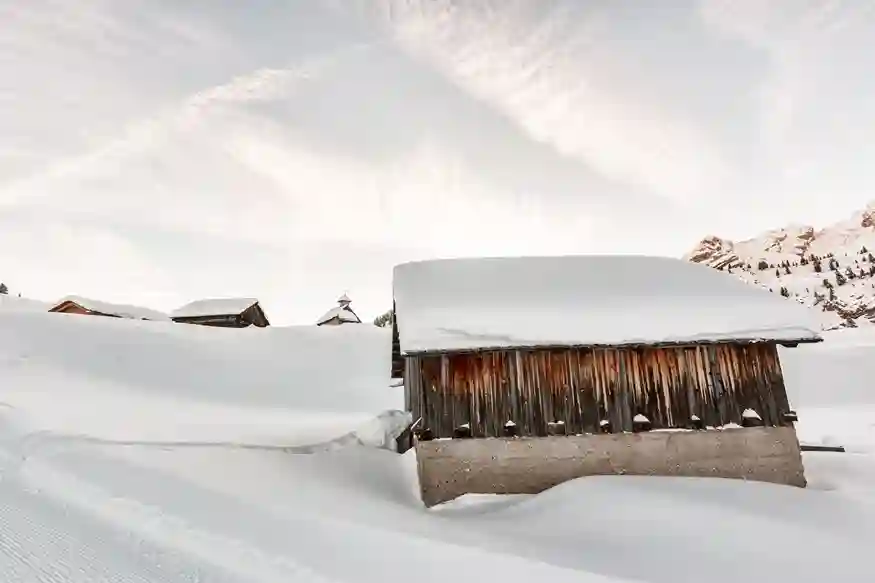
3. Snow and Ice
Snow load adds weight; freeze–thaw cycles create ice dams along eaves. When warm attic air melts roof snow from beneath, meltwater refreezes at the cold overhang, forcing water back under shingles and into the house.
- Prevent ice dams: air-seal attic bypasses, add insulation to reach recommended R‑values, and ensure free airflow from soffit to ridge.
- During major events: if safe, use a roof rake to pull snow down off the eaves; avoid chiseling ice (you can damage shingles). For recurring issues, ask about heat cable placement and ice/water shield coverage at the next reroof.
4. Hail
Hail impact can bruise shingles (crushed granules exposing asphalt), crack tiles, or dent metal panels and ridge caps. Some damage is subtle from the ground but later becomes leaks as weather works on compromised areas.
What to do after hail: document the date, take photos from multiple angles, and schedule a professional inspection. If you’re considering upgrades, ask about impact‑rated products. For objective guidance on roofing performance in severe weather, see the Insurance Institute for Business & Home Safety (IBHS) – Roofing Resources.
5. Extreme Temperature Fluctuations
Rapid swings (spring and fall) cause roofing materials to expand and contract. Over time that movement can loosen fasteners, open flashing laps, and fatigue sealants. Vent stacks and skylight curbs are common leak points after a few seasons of expansion/contraction.
Mitigation: proper underlayments, flexible flashing systems, and correct fastener schedules at installation. During service life, target these details during routine inspections so small gaps don’t become big repairs.
6. Signs of Weather Damage to Look For
Catch issues early with a simple, seasonal scan:
- Shingles: missing tabs, lifted edges, widespread granule loss (look in gutters), or discoloration “bruises” after hail.
- Flashing & penetrations: cracked or loose sealant at chimneys, walls, skylights, and vent pipes; rust stains below metal components.
- Gutters & eaves: sagging runs, overflowing corners, and staining under the drip edge (signals backup).
- Attic: water rings on sheathing, damp insulation, musty odors, or daylight where it shouldn’t be.
- Interior: ceiling spots, peeling paint near exterior walls, or sudden humidity spikes after storms.
If you notice more than one of the above—especially after a severe weather event—book a professional inspection to understand the scope and urgency.
7. Why Proactive Maintenance Saves Money
Weather damage rarely announces itself with a dramatic leak on day one. It’s usually tiny: a lifted shingle here, a hairline crack there. Left alone, that $250 repair turns into stained drywall, rotten decking, and a multi‑trade interior restoration. Regular maintenance helps you:
- Extend roof lifespan: spot-and-fix items add years to shingle and metal systems.
- Protect energy efficiency: ventilation and insulation tweaks reduce ice dams and summer heat load.
- Maximize insurance outcomes: dated photos and kept records make storm claims cleaner and faster.
Want a simple cadence? Do a ground-level check each season, clean gutters in spring and fall, and schedule a professional roof inspection every 2–3 years—or any time a major storm rolls through.
8. Tropical Storms & Remnant Systems
While true hurricanes aren’t a Midwest threat, remnants of tropical systems can bring days of soaking rain and strong wind gusts. That combo exploits weak flashing, open nail heads, and clogged gutters.
- Before the system arrives: secure loose fascia, clear gutters, and trim back branches that could rake shingles.
- During/after: follow local safety guidance and avoid roof access while surfaces are wet. For reliable preparedness tips across hazards, see the National Weather Service – Severe Weather Safety.

9. Conclusion & Next Steps
Sun, rain, snow, hail, and temperature swings all take their turn at your roof. With the right materials, ventilation, and maintenance plan, your roof can handle the elements—and keep your home dry, efficient, and looking sharp for years to come.
For more guidance on protecting your home from extreme weather, check out the National Weather Service’s Weather Education Center and the Minnesota Department of Public Safety’s Weather Safety resources. Both provide valuable tips on preparation, safety, and damage prevention.
Get Your Roof Storm-Ready Today
Don’t wait until the next heatwave, hailstorm, or snow season to find out your roof has a problem. Schedule a FREE, no-obligation inspection with T-10 Construction, and our experts will pinpoint any weather damage before it turns costly.