Spring Roof Cleaning: 6 Essential Tips
Spring is finally on the horizon, and with it comes the opportunity to refresh your home from top to bottom. While most homeowners think of dusting, decluttering, and deep-cleaning the kitchen, spring roof cleaning is just as important. After months of snow, ice, and freezing temperatures, your roof needs a thorough inspection and cleaning to stay in top shape for the year ahead.
In this guide, our T-10 Construction roofing experts share why seasonal roof cleaning matters, plus six proven tips to protect your home’s value, safety, and curb appeal. By following these steps, you can prevent costly repairs and extend your roof’s lifespan.
Why It’s Important to Clean Your Roof
Winter can be harsh on roofing systems. Heavy snow, ice dams, and frigid winds leave behind hidden damage that may worsen if ignored. When spring arrives, it’s the perfect time to identify and address these problems before they escalate into costly repairs. Regular spring roof cleaning helps prevent water intrusion, mold growth, and even foundation damage caused by unchecked leaks.
By removing debris, repairing damage, and ensuring proper drainage, you protect your home’s structural integrity and improve its curb appeal in one go. Seasonal care like this also complements other annual maintenance tasks such as fall roof maintenance, giving your roof year-round protection.
1. Clean the Gutters
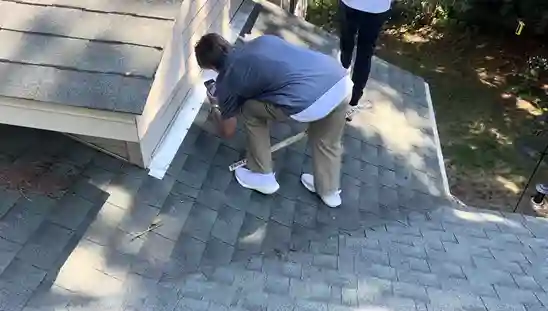
Your gutters are the first line of defense against water damage. When they’re clogged with leaves, sticks, and winter debris, water backs up onto your roof, increasing the risk of leaks and ice dam formation. Wear gloves and use a sturdy ladder to clear all debris. Look for signs of corrosion, sagging, or faulty fasteners as you go.
Regular gutter maintenance is also an opportunity to check downspouts for proper water flow. Ensuring your drainage system works well will keep moisture away from your siding and foundation.
2. Look for Damage
Winter storms can crack, loosen, or remove shingles entirely. Walk around your property with a pair of binoculars and inspect the entire roof for trouble spots. Common signs of damage include curling shingles, missing tabs, punctures, and dents.
Don’t forget to check flashing around chimneys, skylights, and vents for cracks or separation. Documenting these issues can be useful if you need to file an insurance claim or request repairs. For jobs that require climbing onto the roof, consider the safety guidance in our post on why DIY roof repairs aren’t a typical project.
3. Remove Debris
Over the winter, debris can accumulate not only in gutters but also on the roof itself. Branches, leaves, and even small objects carried by wind can trap moisture and promote mold or algae growth. This is especially true for shaded areas that stay damp longer.
Use a roof rake or leaf blower from the ground when possible. Avoid walking directly on the roof to prevent damaging shingles. If you must access the roof, secure your ladder and have someone assist you. For larger jobs or steep roofs, hire a professional.
4. Check Your Ceilings and Attic
Some roof problems reveal themselves inside before they’re visible outside. Inspect your attic and upper-level ceilings for signs of water intrusion such as stains, damp insulation, or musty odors. Mold growth, in particular, is a red flag that moisture is entering your home and needs immediate attention. The U.S. Environmental Protection Agency offers an excellent resource on mold prevention and cleanup for homeowners.
If you notice sunlight filtering through your roof boards, that’s a clear sign of gaps that need sealing. Catching these problems early can save you thousands in repairs.
5. Replace Damaged Shingles
Shingles are your roof’s first defense against water damage. Damaged or missing shingles compromise that protection, allowing moisture to penetrate the underlayment and deck. Signs of shingle wear include curling edges, cracked surfaces, or loss of granules.
If you’re comfortable with basic repairs, you can nail loose shingles back in place or replace individual damaged ones. However, for widespread issues or older roofs, professional repair is the best long-term solution.
6. Give Your Roof a Wash
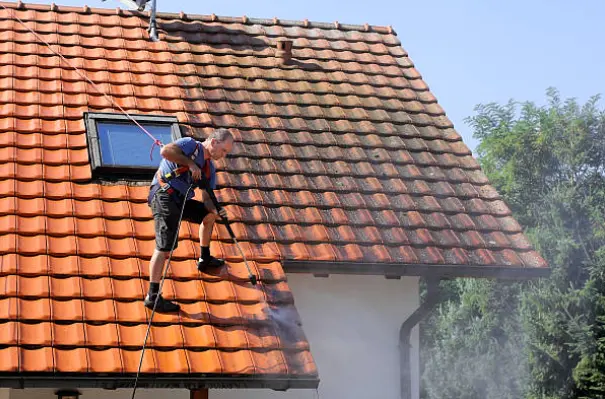
Even if your roof is structurally sound, a good cleaning improves its appearance and longevity. Traditional pressure washing can remove dirt and algae, but it also risks stripping granules from shingles. A better alternative is soft washing, which uses low-pressure water combined with cleaning agents to safely remove stains, moss, and mildew.
Many of the issues that lead to roof staining start in the attic. Poor insulation and ventilation can cause uneven heating, which encourages moisture buildup. The U.S. Department of Energy’s page on home insulation explains how proper insulation supports both roof health and energy efficiency.
Conclusion
Adding spring roof cleaning to your seasonal checklist is one of the most cost-effective ways to protect your home. By cleaning gutters, checking for damage, removing debris, inspecting your attic, replacing worn shingles, and washing your roof, you reduce the risk of leaks, mold growth, and structural deterioration.
And remember—while many of these tasks are doable for the average homeowner, safety should always come first. When in doubt, hire a roofing professional with the right equipment and training.
A little maintenance now sets your roof up for success through the heavy rains of spring, the heat of summer, and beyond.