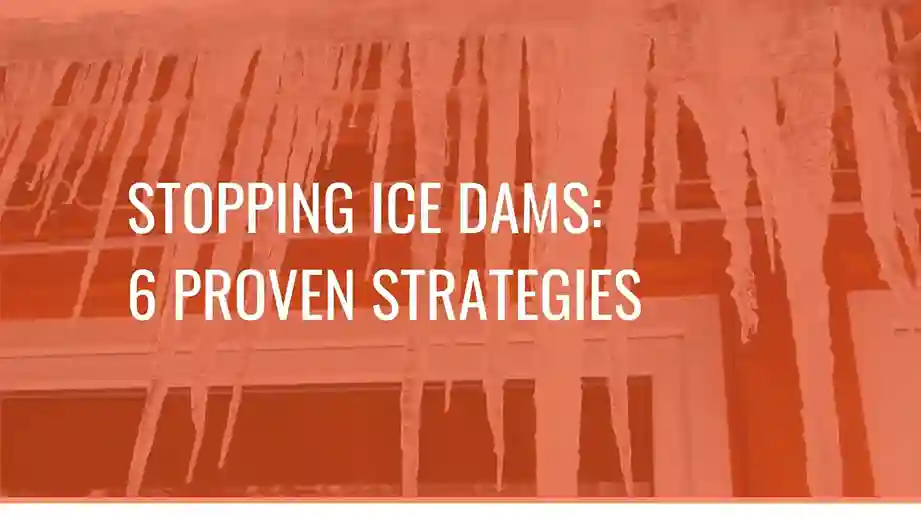
Stopping Ice Dams: 6 Proven Strategies
How to Prevent and Remove Ice Dams: A Homeowner’s Guide
When the time comes to cozy up next to your fireplace with a warm blanket, the last thing you want to think about is roof damage. Yet, among the many frustrations of winter in the Midwest, ice dams remain one of the most common and costly. Fortunately, with the right steps, you can prevent ice dams before they form — and safely address them if they do.
What Are Ice Dams?
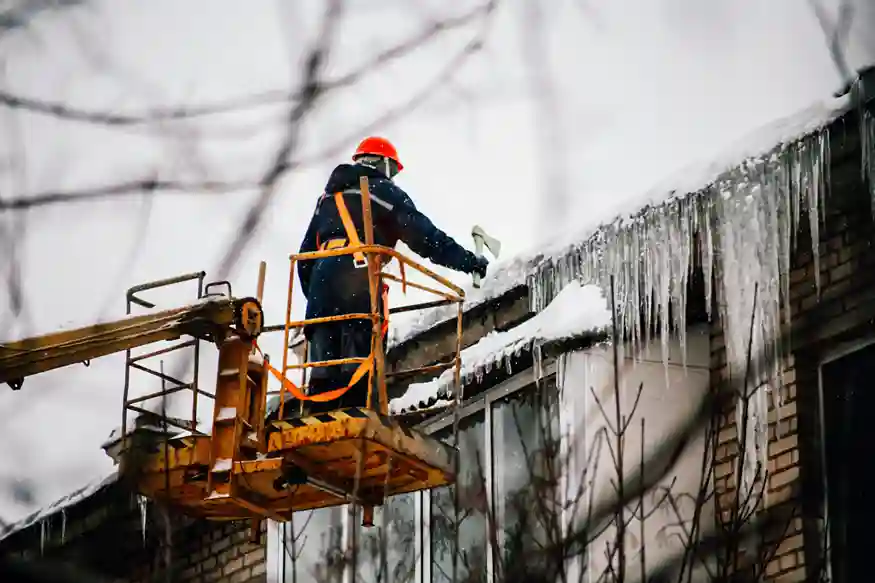
Ice dams form when heat escapes from your home’s attic, melting snow near the ridge of your roof. The meltwater runs down toward the eaves, where temperatures are colder, and re-freezes into a ridge of ice. This ice barrier prevents further melting snow from draining off the roof, forcing water to back up under shingles and into your home.
Even when outdoor temperatures are below freezing, attic heat can cause snowmelt. Complex roof designs, skylights, heating ducts, and recessed lights all increase the likelihood of ice dam formation.
Damages Ice Dams Cause
Outdoor Damage
- Cracked or loosened shingles
- Damaged flashing
- Gutter detachment from excessive ice weight
Indoor Damage
- Water-stained ceilings and walls
- Warped floors from moisture intrusion
- Mold and mildew growth
- Insulation saturation and reduced energy efficiency
How to Prevent Ice Dams
Prevention starts in the fall, long before the first snowfall. Addressing insulation, ventilation, and roof maintenance together is the key to long-term protection.
1. Clean Your Gutters
In autumn, clear sticks, leaves, and debris from gutters and downspouts. Clogged gutters restrict water flow, encouraging ice buildup at the eaves. For year-round care, see our guide on General Roof Care Tips.
2. Seal Leaks Allowing Warm Air Into the Attic
Warm air leaking into the attic is a primary driver of ice dams. Seal gaps around recessed lighting, attic hatches, ductwork, and the chimney chase. The U.S. Department of Energy offers detailed building science recommendations for eaves sealed in cold climates that address common problem areas.
3. Use a Snow Rake After Storms
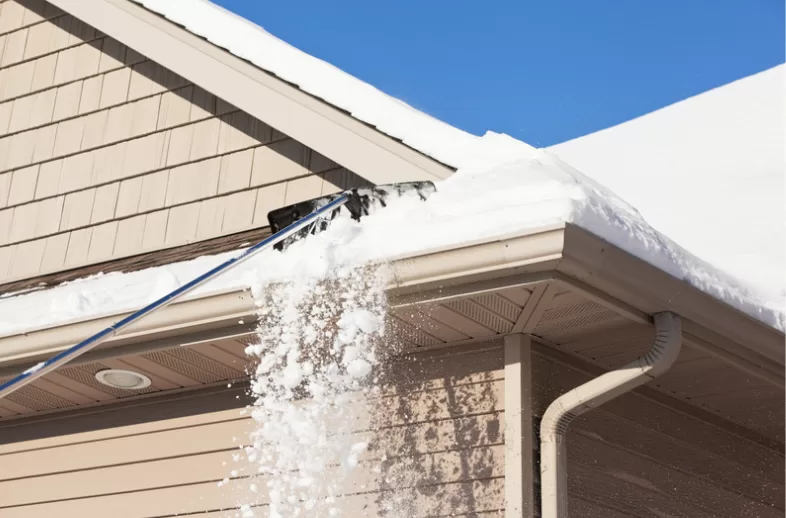
A roof snow rake — a lightweight aluminum scraper on an extendable pole — allows you to safely pull snow from 3–4 feet above the eaves. This reduces meltwater reaching the cold edge of your roof. Never use a snow rake while standing on a ladder; always work from the ground.
4. Ensure Proper Insulation & Ventilation
Keeping attic temperatures close to the outside air is critical. Upgrade insulation to reduce heat loss, and verify that soffit and ridge vents provide balanced airflow. Adequate ventilation offers additional benefits like improved indoor air quality. See the DOE’s case study on unvented, conditioned attics for advanced building science strategies.
5. Install Heat Cables in Problem Areas
Heat cables prevent ice formation in gutters, valleys, and along eaves. Some models allow you to turn them on only when needed, reducing energy use. While not a substitute for insulation and ventilation improvements, they can help in persistent trouble spots.
6. Invest in Ice Dam Prevention Materials
- Calcium chloride melts: Roof-safe ice melt pellets can be applied with care to break down ice. Avoid rock salt, which can damage shingles.
- Ice belts: Aluminum strips installed along eaves help prevent ice adhesion and buildup.
How to Remove an Ice Dam
If an ice dam has formed but you see no signs of leaking, you may have time to address it before damage occurs. The safest removal methods include:
- Hiring a roofing contractor equipped for winter work
- Applying roof-safe ice melt to the dam’s surface
- Using a roof snow rake to remove contributing snow above the dam
Warning: Never chip at ice with a hammer, shovel, or pick — you risk damaging shingles and creating leaks. Avoid climbing onto your roof in icy conditions, as slips and falls are a major hazard.
Conclusion & Next Steps
Winter is not the season you want to be dealing with roof leaks or structural damage. By combining insulation improvements, ventilation upgrades, and routine maintenance, you can prevent ice dams before they start. For seasonal preparedness, see our post on how Midwest weather affects roofs.
If you suspect an ice dam has formed — or see signs of water infiltration — contact T-10 Construction right away for a free inspection. We can assess your roof, recommend preventive measures, and safely handle any necessary removal.