
How Long Does a Roof Last in Minnesota?
Most asphalt shingle roofs in Minnesota last about 15 to 25 years, shorter than the manufacturer's rating because hail, ice dams, wind, and harsh freeze-thaw cycles speed up wear. Metal can last 40 years or more, while material, installation quality, and attic ventilation all push the real number up or down.
Published July 25, 2022 · by T-10 Construction
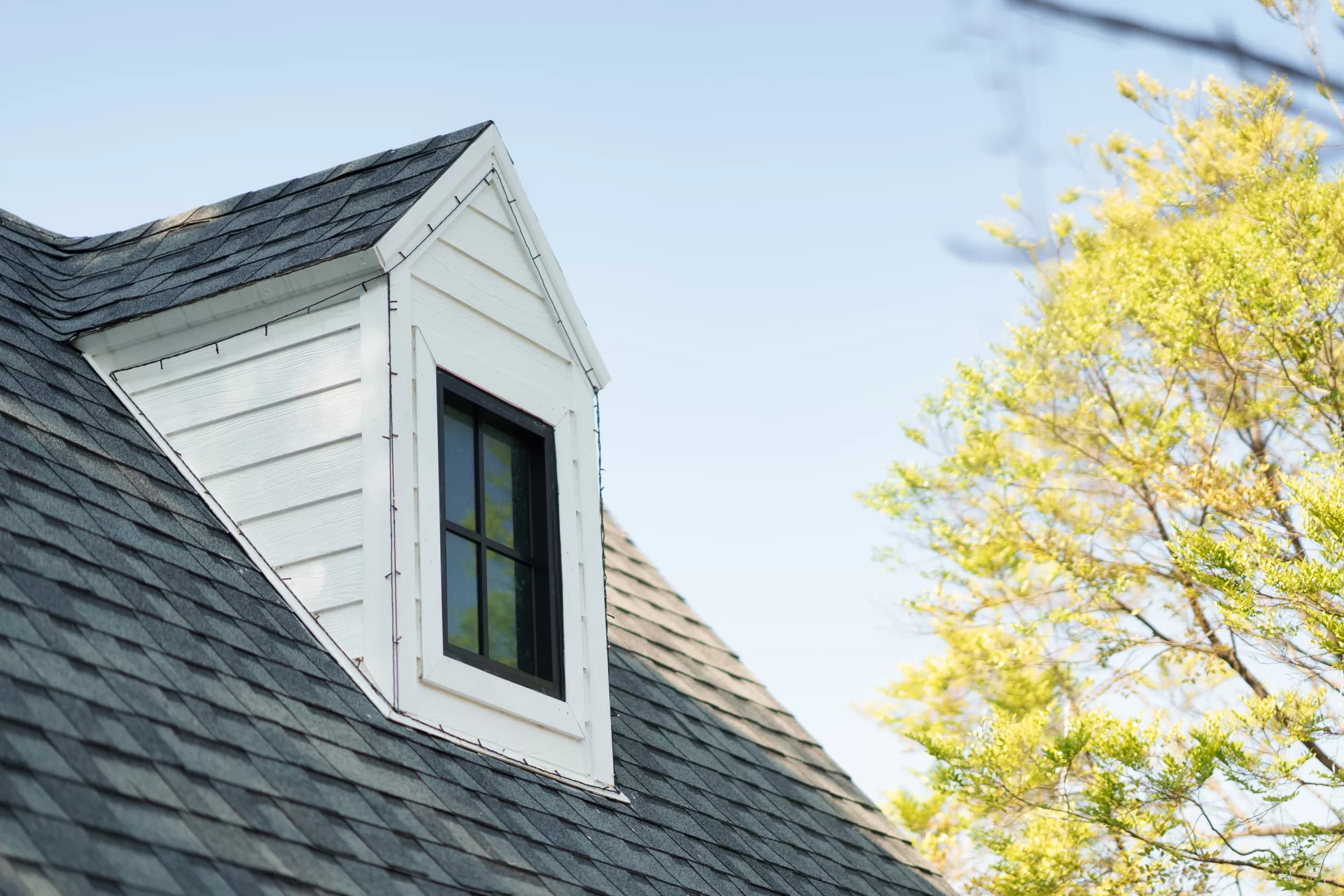
Most asphalt shingle roofs in Minnesota last about 15 to 25 years. That is a few years shorter than the lifespan printed on the wrapper, and the reason is our climate: hail, ice dams, high winds, and harsh freeze-thaw swings all wear a roof down faster than the lab conditions a warranty is based on. Premium materials like metal or standing seam last much longer, but the real number always comes down to material, installation quality, ventilation, and how the roof is maintained.
How long does each roofing material last?
Here are realistic service-life ranges for the Upper Midwest, assuming a quality install and basic upkeep. The lower end of each range is what we typically see in Anoka County after a few hard hail seasons:
- 3-tab asphalt shingles: 15-20 years (closer to 15 here)
- Architectural asphalt shingles: 20-30 years
- Impact-rated and premium asphalt: 25-40 years
- Standing seam metal: 40-70 years
- Ribbed metal panels and stone-coated steel: 30-50 years
- Cedar shake or shingle: 20-30 years with regular maintenance
- Clay or concrete tile: 40-100 years (rare in MN; needs careful freeze-thaw detailing)
- Natural slate: 75-150 years
Most Minnesota homes are roofed with architectural asphalt shingles because they balance cost, durability, and storm performance. If you are weighing options for a replacement, our guide to the best roofing materials for Minnesota homes breaks down how each holds up to local weather.
Why do roofs wear out faster in Minnesota?
A roof in Phoenix and a roof in the Twin Cities can carry the same warranty and live very different lives. Up here, the weather attacks a roof from several directions at once:
- Hail bruises shingles and knocks off the protective granules that block UV, even when there is no obvious hole.
- Ice dams form along eaves when attic heat melts snow that refreezes, forcing water back up under the shingles.
- Wind from spring and summer storms lifts, creases, and tears shingles, especially along ridges and edges.
- Freeze-thaw cycles, sometimes several in a single week, expand and contract materials and crack sealants and flashing.
- Intense summer UV bakes shingles and speeds granule loss across south- and west-facing slopes.
From Oak Grove and Ramsey to Andover, Coon Rapids, and Ham Lake, hail is the single biggest reason a roof ends its life early in the north metro. A storm that drops golf-ball-sized hail can take years off an otherwise healthy roof in one afternoon.
What shortens or extends roof lifespan?
Beyond the material itself, a handful of factors decide whether your roof beats its rating or falls short of it:
- Installation quality: flashing, fasteners, and underlayment done right matter more than the brand of shingle.
- Attic ventilation: balanced intake and exhaust venting keeps the deck cool and dry, which slows shingle aging and helps prevent ice dams.
- Maintenance: cleaning gutters, trimming branches, and sealing small issues before they spread.
- Sun exposure and pitch: steeper, shaded slopes generally outlast flat, sun-baked ones.
- Storm history: each hail or wind event chips away at remaining life.
This is also why two identical homes on the same street can need new roofs years apart. Good ventilation and prompt repairs routinely add years; a poor install or a skipped insurance claim after a storm takes them away. Our residential roofing team checks ventilation and flashing on every inspection, not just the shingles.
When should you repair vs. replace your roof?
Repair usually makes sense when the damage is isolated and the roof is still in the first half of its expected life. Lean toward a full replacement when:
- Damage is widespread or storm-related across multiple slopes
- Leaks keep coming back in different spots
- Shingles are curling, cracking, or shedding heavy granules into the gutters
- Flashing is loose and the deck shows soft spots or sagging
- The roof is simply near the end of its expected lifespan
After a hailstorm, age matters less than condition. A six-year-old roof can be totaled by hail, and in many cases insurance covers a replacement. If you are budgeting, our breakdown of roof replacement costs in Minnesota explains what drives the price and how claims factor in.
Not sure where your roof stands? T-10 Construction offers free, no-pressure inspections across the north metro and will tell you honestly whether you need a repair, a replacement, or just a little more time. Call us at (612) 567-5650 to get on the schedule.