
Roof Maintenance Checklist: A Season-by-Season Guide
A complete roof maintenance checklist means cleaning gutters twice a year, inspecting shingles and flashing each spring and fall, trimming overhanging branches, checking attic insulation and ventilation, and watching for leaks after storms. Done on a seasonal schedule, these few tasks catch small problems early and add years to your roof's life.
Published October 17, 2025 · by T-10 Construction
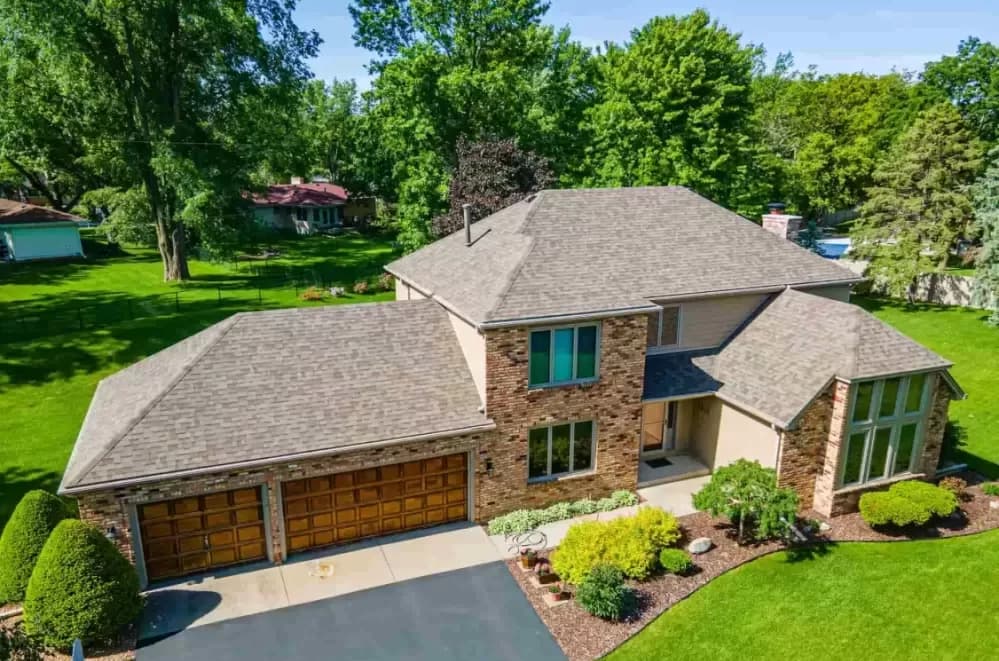
A solid roof maintenance checklist comes down to a handful of repeatable tasks: clean your gutters twice a year, inspect shingles and flashing each spring and fall, trim back overhanging branches, confirm your attic has good insulation and ventilation, and check for leaks after every major storm. Stay on that schedule and you catch small problems while they're cheap to fix instead of after they've soaked your decking.
Why does roof maintenance matter in Minnesota?
Our climate is hard on roofs. A single year in the north metro can bring summer hail, damaging straight-line winds, freeze-thaw cycles that pry at shingles, and the heavy snow loads that lead to ice dams. Each of those forces finds the weak spot first. Routine maintenance is how you find and seal that weak spot before water does.
- Prevents water damage: clogged or failing gutters let water overflow onto your fascia, siding, and foundation, where it pools and freezes.
- Stops ice dams before they start: proper drainage and attic ventilation keep melting snow moving off the roof instead of refreezing at the eaves.
- Extends roof lifespan: replacing a few missing shingles or resealing flashing early prevents the slow rot that forces a full tear-off years too soon.
- Protects your warranty: most asphalt shingle warranties, including the Atlas products we install, assume the roof is maintained and properly ventilated.
What goes on a year-round roof maintenance checklist?
You don't need to do everything at once. Spread these tasks across the year so the roof is ready for whatever the next season throws at it.
Spring (after the snow melts):
- Clean gutters and downspouts so winter debris and granules wash away, and confirm water actually drains away from the foundation.
- Scan the roof from the ground with binoculars for shingles loosened, lifted, or torn off by winter wind and ice.
- Look for hail bruising or dented metal on vents and flashing left over from spring storms.
- Check the attic for damp insulation, stains, or daylight, which point to a leak that started over winter. Our guide on how to spot a roof leak walks through the warning signs.
Summer (calm-weather repair window):
- Trim branches that overhang or touch the roof so they can't scrape shingles or drop debris into the gutters.
- Reseal cracked caulk around chimneys, skylights, and pipe boots while the weather is dry and warm.
- Confirm soffit and ridge vents are clear so hot attic air can escape, which keeps shingles cooler and lowers cooling bills.
Fall (the most important season here):
- Clean the gutters again once the leaves are down, and consider gutter guards if you fight constant buildup.
- Inspect for missing or curled shingles, cracked flashing, and any sagging spots before the first freeze.
- Verify attic insulation depth and ventilation, the single biggest factor in preventing ice dams. Our guide to preventing ice dams explains how a warm attic creates them.
- Make sure downspouts carry water several feet from the foundation so it doesn't pool and freeze against the house.
Winter (watch, don't climb):
- Watch the eaves for thick ice ridges or icicles, the clearest sign an ice dam is forming.
- Use a roof rake from the ground to pull heavy snow off the lower edge after big storms, but never climb an icy roof.
- Check ceilings and attic corners for new water stains during thaws.
Which roof maintenance tasks need a professional?
Ground-level checks, gutter cleaning, and branch trimming are reasonable DIY tasks for most homeowners. Anything that puts you on the roof is not. Asphalt shingles are slick, Minnesota roofs are steep, and a fall is far more expensive than any repair. Leave these to a licensed roofer:
- Walking a steep, wet, or icy roof to assess damage up close.
- Reading hail and wind damage for an insurance claim, where subtle bruising is easy to miss.
- Replacing shingles, resealing flashing, or correcting attic ventilation.
- A full inspection after a major storm, when damage often hides under intact-looking shingles.
T-10 Construction is Atlas PRO+ Platinum Select certified, BBB A+ rated, and licensed and insured in Minnesota (MN License #BC736607). If a storm rolls through Oak Grove, Ramsey, Andover, Coon Rapids, or anywhere in the north metro, we'll get on the roof, document everything, and handle the insurance paperwork with you. Book a free inspection anytime at (612) 567-5650. There's no charge and no pressure, just a clear picture of where your roof stands.