
Midwest Storm Damage Roofing: Why Roofs Take a Beating
Midwest storm damage is harder on roofs than almost anywhere else because the region stacks large hail, straight-line derecho winds, and freeze-thaw ice dams onto the same shingles year after year. That repeated punishment loosens granules, cracks mats, and lifts shingles, so small, hidden damage often turns into leaks before a homeowner ever notices.
Published January 2, 2025 · by T-10 Construction
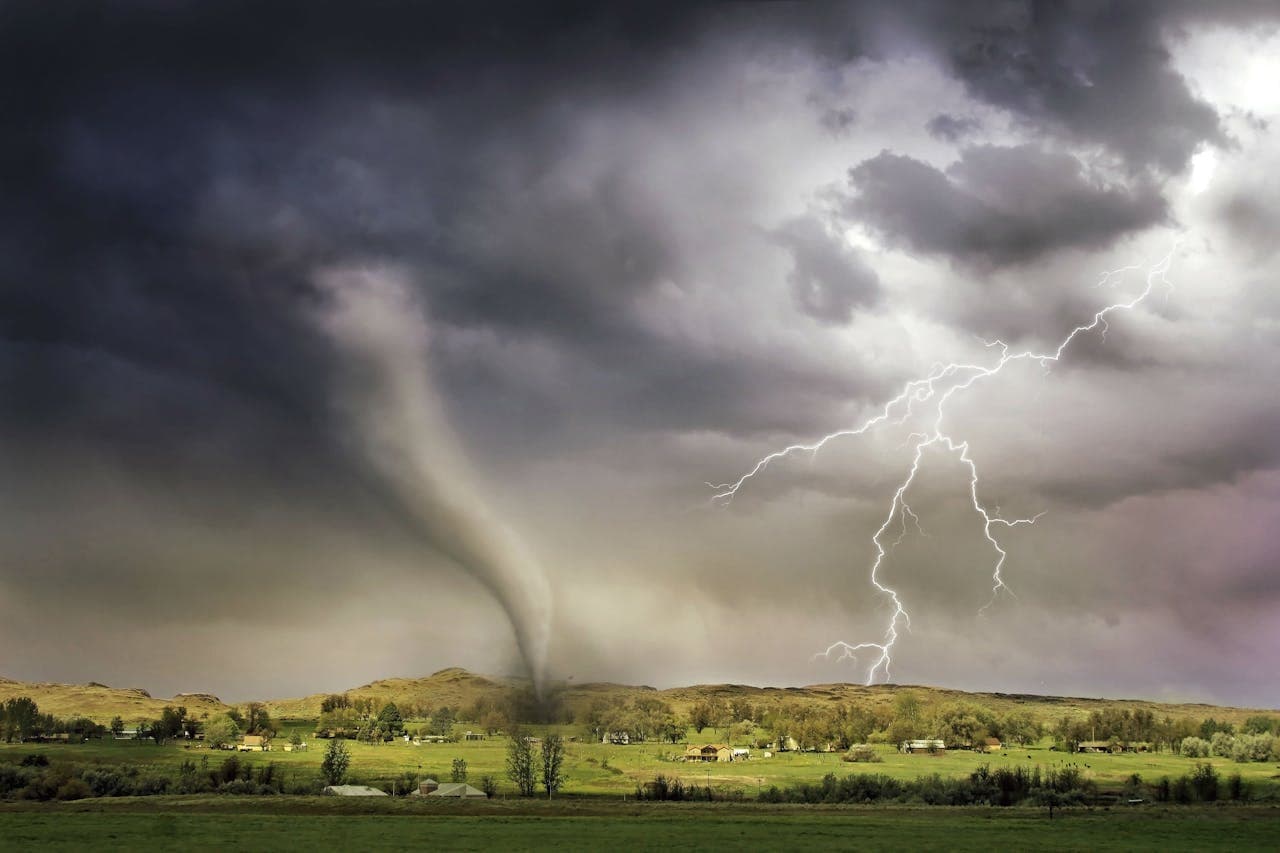
Few regions punish a roof the way the Upper Midwest does. Between spring and summer, Twin Cities homes face large hail and straight-line derecho winds; in winter, the same shingles deal with snow load and freeze-thaw ice dams. That combination of impact, wind uplift, and temperature swings is why storm damage roofing is a year-round concern across Minnesota, Wisconsin, and Iowa rather than a once-in-a-while event.
Why are Midwest storms so hard on roofs?
The Midwest sits where warm, moist Gulf air collides with cold, dry Canadian air over flat, open terrain. That setup fuels some of the most violent thunderstorms on the planet, and for a roof it means three damaging forces show up in a single season:
- Large hail that bruises and cracks shingles, knocking off the protective granule layer.
- Straight-line and derecho winds that can lift, crease, or tear shingles and rip flashing loose.
- Freeze-thaw cycles and ice dams in winter that force water back up under shingles and into the deck.
Here in the north metro, an Anoka County roof can be pelted by golf-ball hail in June and stressed by ice dams in January. Each event chips away at the roof's lifespan, so damage builds up over years even when no single storm looks catastrophic from the ground.
What does storm damage look like on a roof?
Most storm damage is hard to see from the driveway, which is why so many homeowners miss it until a ceiling stain appears. The two most common culprits in our area are hail and wind, and each leaves its own fingerprints:
- Hail: dark round bruises, dented or cracked shingles, and bare spots where granules washed into the gutters.
- Wind: lifted, creased, or missing shingles, exposed nail heads, and bent or detached metal flashing.
- Hidden damage: dents on gutters, downspouts, vents, and AC fins are easy tells that the roof was hit too.
Granule loss matters more than it looks. Those granules shield the asphalt mat from UV and impact, so once they're gone the shingle ages fast and starts to leak. A trained eye catches this early; a quick glance from the ground usually doesn't. If you suspect a hit, our storm damage repair team can document it properly.
When should you get your roof inspected?
Schedule a professional inspection any time a notable storm rolls through your town, and at least once a year as a baseline. In the Twin Cities north metro, the windows that matter most are:
- After spring and summer hail or high-wind storms, the peak severe-weather stretch from roughly May through August.
- In late fall, before snow and ice arrive, to fix small issues before they freeze open.
- After any winter with heavy ice dams, which signal trapped water and possible deck damage.
Acting quickly also protects your insurance options. Most policies expect storm damage to be reported within a set window, and fresh damage is far easier to tie to a specific storm. If you think a storm did real harm, it helps to understand the Minnesota roof insurance claim process before you file so nothing falls through the cracks.
How can Minnesota homeowners protect their roofs?
You can't stop a derecho, but you can make your roof far more resistant to one. Smart, durable choices pay off here because our roofs get tested so often:
- Choose impact-resistant shingles built for hail and high wind; as an Atlas PRO+ Platinum Select contractor, we install Atlas asphalt systems suited to Minnesota weather.
- Keep gutters and downspouts clear so meltwater drains and ice dams have less chance to form.
- Improve attic insulation and ventilation to reduce the warm-roof conditions that cause ice dams.
- Replace worn or lifted shingles and aging flashing before the next storm finds the weak spot.
These steps matter most in our service footprint across Oak Grove, Ramsey, Andover, Coon Rapids, Ham Lake, Zimmerman, Big Lake, and Elk River, where the same roofs absorb both summer hail and winter ice year after year. You can see the full list on our service areas page.
If a storm just hit your neighborhood or you're not sure how your roof held up, T-10 Construction offers a free, no-pressure inspection and full insurance-claim support. We're a family-owned, Atlas PRO+ Platinum Select and BBB A+ rated contractor based right here in Oak Grove. Call (612) 567-5650 to book yours before small damage becomes a leak.