
How Old Windows Drive Up Energy Bills in MN Winters
Old windows drive up energy bills because single panes, worn seals, and leaky frames let heated air escape and cold air seep in. The U.S. Department of Energy estimates 25 to 30 percent of a home's heating and cooling energy is lost through windows, and that loss climbs during long Minnesota winters.
Published January 23, 2026 · by T-10 Construction
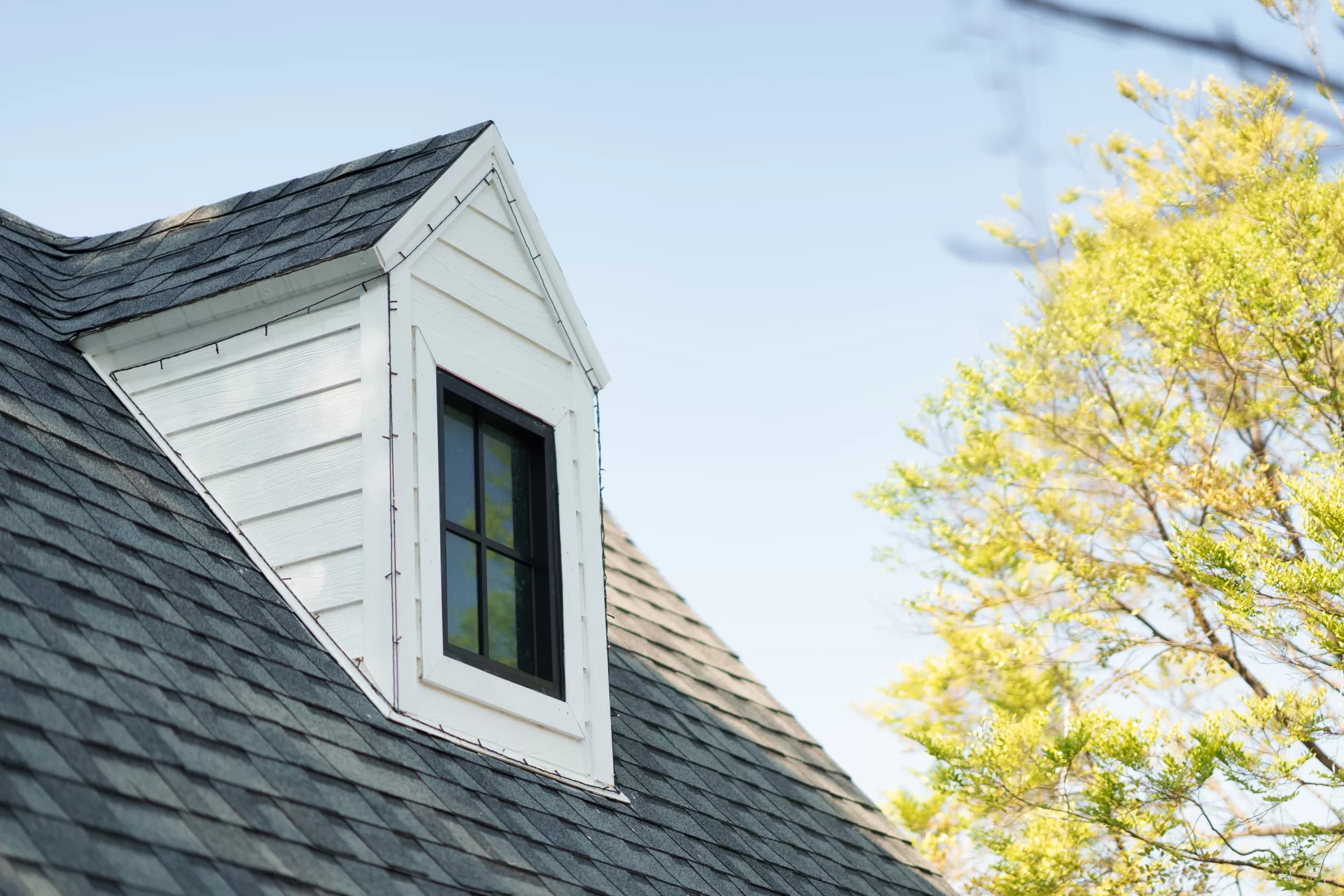
Old windows drive up energy bills because single-pane glass, worn weatherstripping, and failed seals let your furnace's heat escape while cold outdoor air leaks in. The U.S. Department of Energy estimates that 25 to 30 percent of a home's heating and cooling energy is lost through windows, and in a Minnesota winter that wasted energy shows up as higher bills, cold rooms, and a furnace that never seems to catch up.
How do I know my old windows are wasting energy?
You don't need a blower-door test to spot a window that's costing you money. The signs are usually easy to feel and see, especially on a cold north-metro morning:
- Cold glass and drafts. If the glass feels icy or you feel a breeze near the frame with the window shut, heat is leaking out.
- Condensation or frost on the inside. Moisture or ice on the interior glass points to poor insulation and a cold surface.
- Fog or haze between the panes. That means the seal on a double-pane unit has failed and the insulating gas is gone for good.
- Hard-to-open or rattling sashes. Warped, loose frames rarely seal tight against winter wind.
- A furnace that runs constantly. If one room stays cold no matter how high you set the thermostat, the windows are often the culprit.
Single-pane and aging double-pane windows are the most common offenders. If your windows are more than 15 to 20 years old, it's worth having them looked at before another heating season.
Why are Minnesota winters so hard on windows?
The Upper Midwest puts windows through a brutal cycle. Temperatures swing from sub-zero cold to thaws and back, which expands and contracts frames and breaks down seals faster than in milder climates. Wind off open ground in Anoka County drives cold air through the smallest gaps. And when heat escapes through leaky windows and a poorly insulated envelope, it feeds the same warm-roof problem that leads to ice dams along the eaves.
For homes in Oak Grove, Ramsey, Andover, Coon Rapids, Ham Lake, and Elk River, that means old windows aren't just a comfort issue, they quietly run up your gas and electric bills from October through April.
What do replacement windows save in cold climates?
Modern windows built for cold climates are designed to hold heat in and keep drafts out. The features that matter most here are:
- Double- or triple-pane glass that creates insulating layers instead of a single cold surface.
- Low-E coatings that reflect heat back into your home while still letting in winter sunlight.
- Insulated gas fills between the panes to slow heat transfer.
- Tight, modern frames and weatherstripping that stop air leaks at the source.
The Department of Energy reports that high-performance R-5 windows can cut heat loss by up to 40 percent compared with older units, with the biggest gains in cold climates like ours. Beyond the savings, you get fewer drafts, less strain on your HVAC system, and rooms that finally feel comfortable in January. We can walk you through the glass packages and frame options that hold up best in our climate during a free in-home assessment. See our window replacement services for what that process looks like from start to finish.
How much you save depends on how leaky your current windows are, how many you replace, and how cold the season runs. A drafty single-pane home stands to gain the most, but even tired double-pane units that have lost their seal are quietly adding to every heating bill. The point of an assessment is to put numbers to your specific home rather than a generic estimate, so you know what a replacement would actually do for your comfort and your monthly costs.
Should I replace windows and siding at the same time?
Often, yes. Windows and siding work together as your home's exterior envelope, and replacing them as one project means tighter construction where the two meet, no mismatched flashing, and a single crew coordinating the work. If you're already planning a siding or roofing update, bundling the windows in usually means fewer disruptions and a more airtight result.
If your bills keep climbing and your windows show any of the warning signs above, it's worth a professional look before next winter. T-10 Construction offers free, no-pressure window inspections for homeowners across the Twin Cities north metro. Call us at (612) 567-5650 to book yours and get a clear, honest answer on whether replacement makes sense for your home.