
8 Common Types of Roof Damage (and What Causes Them)
The most common types of roof damage are hail bruising, wind-lifted or missing shingles, ice dam leaks, flashing failure, granule loss, cracked or curling shingles, damaged vents, and algae staining. In Minnesota's freeze-thaw climate, hail, high winds, and winter ice are the biggest culprits, and most are repairable when caught early.
Published July 25, 2022 · by T-10 Construction
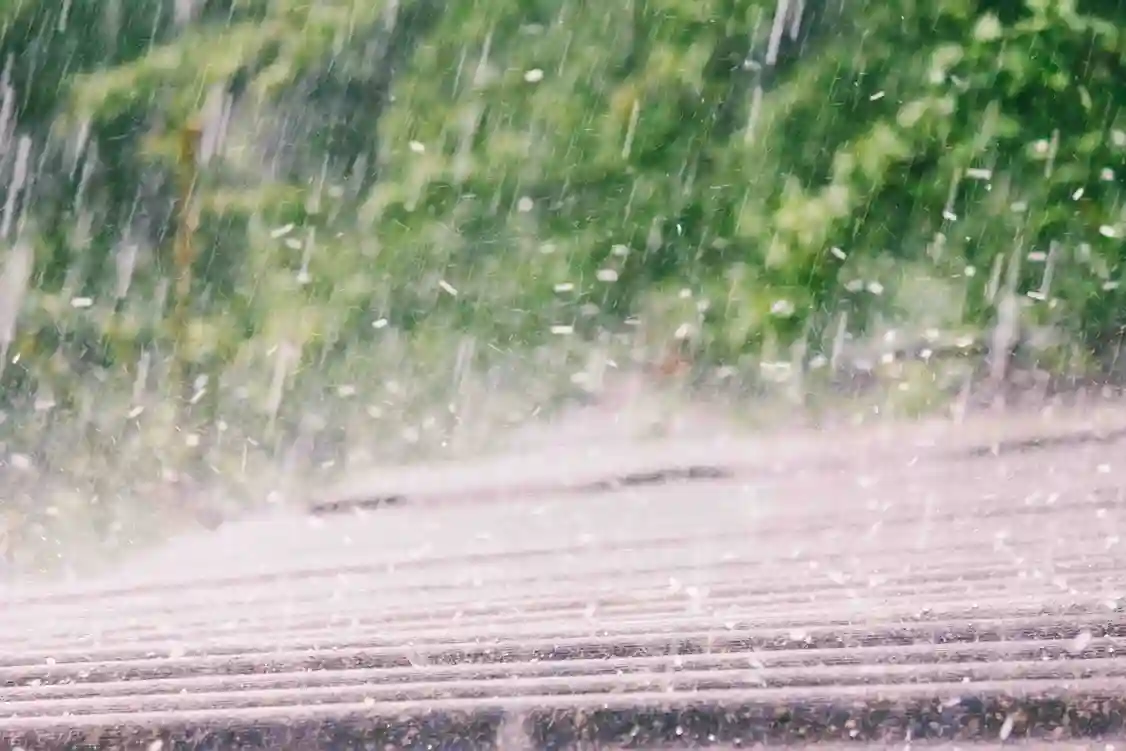
If you live in the Twin Cities north metro, your roof takes a beating from spring hail, straight-line winds, and long winters of ice and snow. Knowing the common types of roof damage, and what each one looks like, helps you catch problems before a small issue becomes a soaked ceiling. Here are the most frequent kinds we find on Minnesota homes and what tends to cause them.
What does hail damage to a roof look like?
Hail leaves round, dark 'bruises' where it knocks the protective granules off asphalt shingles, exposing the asphalt mat underneath. You'll also see dents on soft metal surfaces, which are often easier to spot than shingle hits:
- Dented roof vents, pipe boots, and gutters
- Bare black spots or pockmarks scattered across shingles
- A buildup of granules in gutters and at downspout outlets
- Dented or dinged flashing around chimneys and valleys
Anoka County sits in a part of Minnesota that sees frequent severe hail, so even a roof that looks fine from the ground can have hail bruising that shortens its life. Because hail damage is often subtle, it's worth a close look after any major storm. Our storm damage repair team can document hits and help you decide whether a repair or a claim makes sense.
How does wind damage shingles?
Strong winds get under shingle edges, break the adhesive seal, and lift or tear shingles off entirely. Once a shingle is loose or missing, the layers below are exposed to rain and the next gust can peel back even more. Watch for missing shingles after a windstorm, shingles that look lifted or flapping, and exposed nail heads where fasteners have backed out. Around Oak Grove, Ramsey, and Andover, the open terrain lets wind build speed, so wind damage is one of the most common claims we handle.
What roof damage do ice dams and winter cause?
Ice dams are a signature Minnesota problem. Heat escaping into the attic melts snow on the upper roof; the water runs down and refreezes at the cold eaves, forming a ridge of ice that backs water up under the shingles and into the home. The result is interior leaks and rot. Cold weather also drives thermal cycling, where shingles expand and contract until they crack or split. Look for these winter-related signs:
- Water stains on top-floor ceilings or along exterior walls
- Thick ice buildup or icicles at the gutters and eaves
- Cracked or split shingles after a hard freeze
- Curling shingle edges, often tied to poor attic ventilation
Good attic insulation and ventilation are the long-term fix for ice dams. If you spot a stain forming, our guide on how to spot a roof leak walks through tracing it back to the source before it spreads.
Why does flashing and sealant fail?
Flashing is the metal that seals the joints where your roof meets chimneys, vents, skylights, and valleys, and it's one of the most common leak points. Hail can dent it, wind can loosen it, and over years the sealant dries out and cracks. When flashing fails, water sneaks into the most vulnerable seams of the roof, often with no missing shingles to warn you. Cracked roof vents and corroded exposed nails behave the same way, letting small amounts of water in until the deck below softens.
What are the signs of an aging or worn roof?
Not all damage comes from a single storm. Some shows up as a roof simply wears out, especially asphalt shingle roofs past 20 years. Telltale signs include:
- Heavy granule loss, leaving shingles thin and shiny
- Widespread curling, cupping, or brittle, cracking shingles
- A sagging roofline, which can signal a structural or decking problem
- Black streaks or green moss, usually algae that holds moisture against the shingles
- Rising heating and cooling bills from a roof that no longer seals well
A sagging roof in particular should never wait. If you're seeing several of these at once, it's often more cost-effective to plan a full residential roof replacement than to keep patching.
Why documenting roof damage matters for insurance
If a storm caused the damage, your homeowner's policy may cover repair or replacement, but the burden is on you to prove it. Photograph the damage, note the date of the storm, and keep gutters and shingle debris as evidence. A licensed contractor's inspection report carries real weight with adjusters. T-10 Construction provides full insurance-claim support and can meet your adjuster on-site so nothing legitimate gets overlooked.
Not sure what you're looking at? T-10 Construction offers free, no-pressure roof inspections across Oak Grove, Coon Rapids, Ham Lake, Elk River, and the north metro. We'll tell you honestly whether you have storm damage, normal wear, or nothing to worry about. Call (612) 567-5650 to schedule yours.