
What Is Roof Flashing? Types and Why It Leaks
Roof flashing is thin, water-resistant metal (or sometimes PVC) installed at the joints and edges of your roof, such as valleys, chimneys, skylights, vents, and walls, to seal gaps where shingles can't. It directs water away from these vulnerable seams, making it your roof's most important defense against leaks.
Published July 25, 2022 · by T-10 Construction
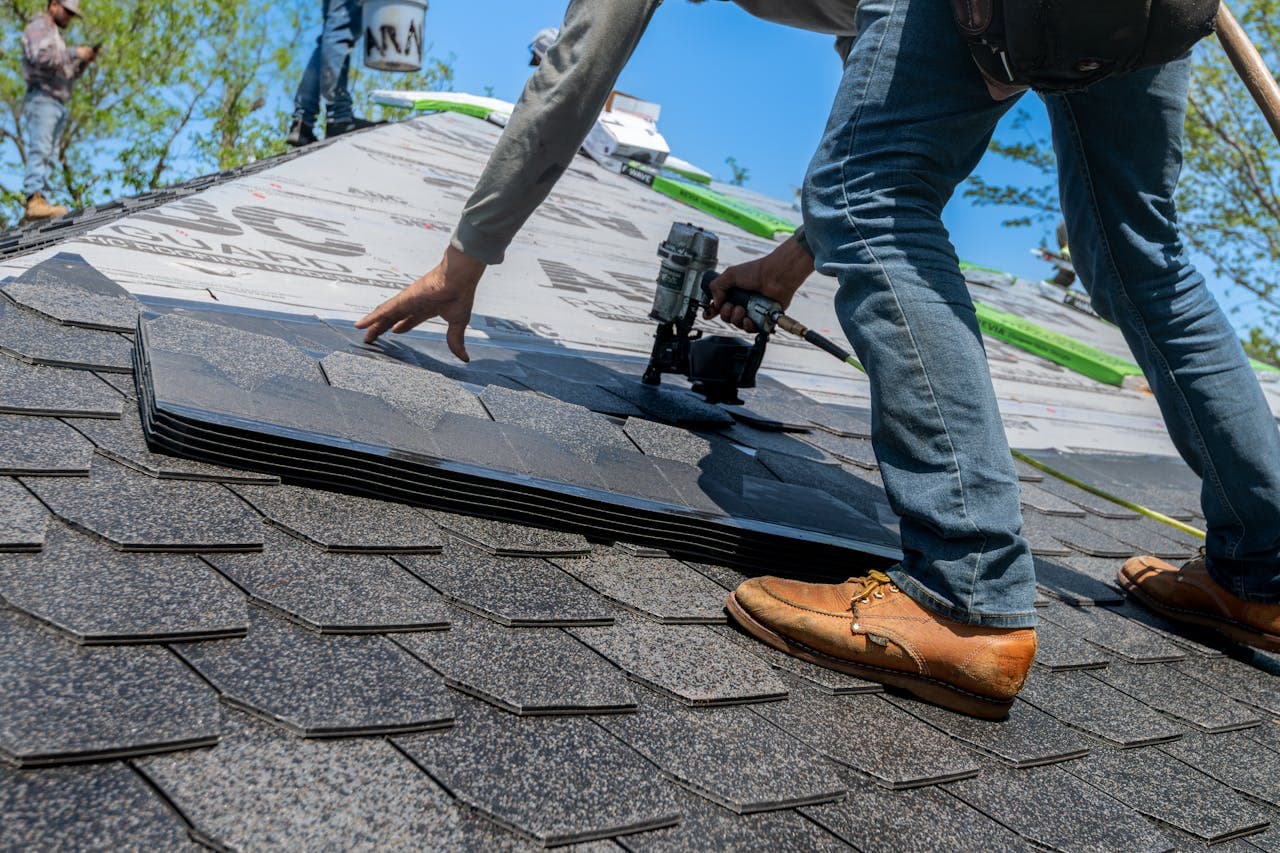
Roof flashing is thin, water-resistant metal (or sometimes PVC) installed wherever your roof has a seam, edge, or interruption: valleys, chimneys, skylights, vents, and the spots where the roof meets a wall. Shingles alone can't seal these joints, so flashing channels water around them and off the roof. When it fails or is installed poorly, those same joints become the number-one source of roof leaks.
What does roof flashing actually do?
Your shingles shed most of the rain and snowmelt that hits your roof, but they can't bend around corners or seal tight against a chimney, wall, or pipe. Flashing bridges those gaps. It overlaps with the shingles and underlayment so water is always directed downhill and onto the next layer, never into the seam. Think of it as the flashing handling the hard joints while the shingles handle the wide-open field of the roof.
What are the main types of roof flashing?
Most residential roofs use several types of flashing in combination, each shaped for a specific trouble spot:
- Step flashing: small L-shaped pieces woven between shingle courses where the roof meets a wall, dormer, or chimney side. Each piece steps down with the shingles to keep water moving.
- Valley flashing: lines the V-shaped channel where two roof planes meet. Valleys carry the heaviest water volume on the roof, so this is one of the most critical pieces.
- Drip edge: metal trim along the eaves and rakes that pushes water off the edge and into the gutter instead of behind it, where it can rot the fascia and decking.
- Chimney flashing: a layered system of base (step) flashing plus counter (cap) flashing set into the chimney's mortar joints. Done right, it's watertight; done wrong, it's a constant leak.
- Vent and pipe boots: collars that seal around plumbing stacks, exhaust pipes, and roof vents.
- Skylight flashing: surrounds the curb of a skylight, one of the most leak-prone features on any roof.
What is roof flashing made of?
Material matters for how long flashing lasts and how it holds up to our weather:
- Aluminum: affordable and rust-resistant, but it can corrode where it touches concrete or fiber-cement siding, so it needs the right coating or separation.
- Galvanized steel: a common, budget-friendly choice; the zinc coating eventually wears, so it's less long-lived than aluminum or copper.
- Copper: expensive and harder to form, but extremely durable and long-lasting, often used as a premium upgrade.
- Lead: easy to mold and very durable, traditionally used around chimneys and odd shapes.
- PVC: lightweight, inert, and easy to work with, common for pipe boots and certain vent details.
Why is flashing the most common cause of roof leaks?
Most leaks don't start in the open field of shingles; they start at the joints, and that's exactly where flashing lives. In Minnesota and the Upper Midwest, flashing takes a beating. Winter ice dams force meltwater backward, uphill and under shingles and flashing, where it finds any gap. Spring and summer hailstorms across Anoka County dent and crack older metal. High winds in Ramsey, Andover, and Ham Lake lift edges and loosen fasteners. Add decades of freeze-thaw cycles and even good flashing eventually fails at the caulk line, the nail holes, or a corroded seam. Most of the time the shingles around it still look fine, which is why these leaks go unnoticed until there's a water stain on the ceiling. If you suspect a problem, here's how to spot a roof leak before it spreads.
Can I repair roof flashing myself?
Minor work, like resealing a single pipe boot, is within reach for a confident, comfortable homeowner who follows the manufacturer's instructions. But step and chimney flashing are woven into the shingles and underlayment in a specific order, so a poor patch often traps water instead of shedding it and quietly makes the damage worse. Severely damaged or improperly installed flashing is best left to a roofer who can integrate it correctly with the rest of the system. When in doubt, it's cheaper to have it inspected than to repair the water damage later. Our residential roofing team checks and repairs flashing on every job.
Not sure whether your flashing is doing its job? T-10 Construction offers a free, no-pressure roof inspection across the north metro, from Oak Grove and Ramsey to Coon Rapids, Elk River, and beyond. Call us at (612) 567-5650 and we'll take a look before a small gap turns into a big repair.