What to Expect From a Roof Inspection
A thorough roof inspection covers four areas: the exterior (shingles, flashing, gutters), the attic and interior, the underlying structure, and the quality of past workmanship. A roofer documents wear and storm damage with photos, then gives you a clear written report and honest next steps. Most reputable contractors offer this inspection for free.
Published March 27, 2023 · by T-10 Construction
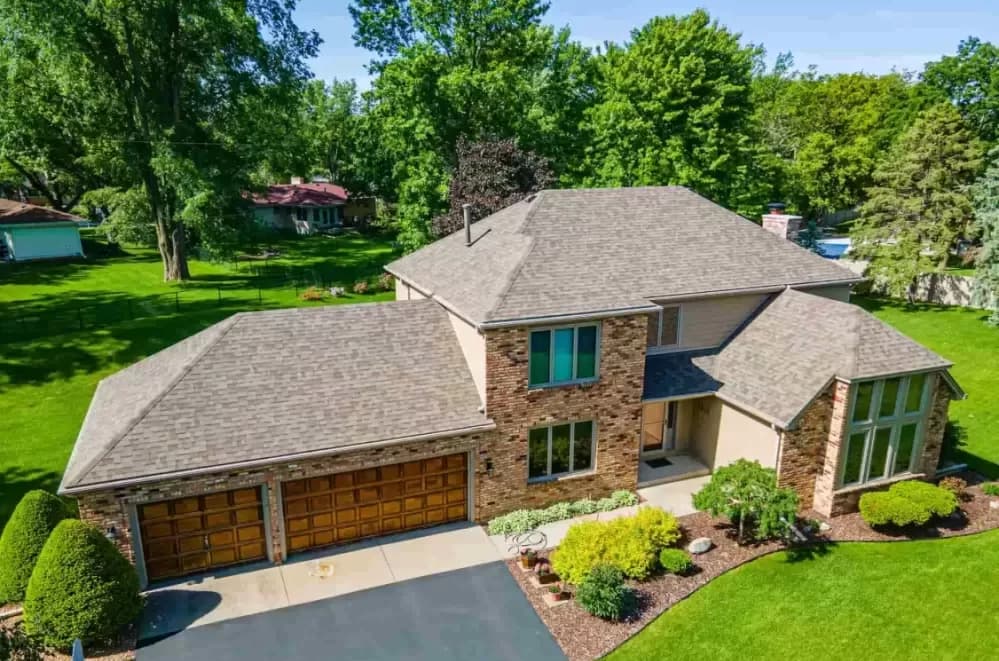
A roof inspection is a top-to-bottom check of your roofing system, and a good one covers four areas: the exterior (shingles, flashing, gutters, and penetrations), the attic and interior, the structure underneath, and the quality of past workmanship. Your roofer documents what they find with photos, then walks you through a plain-English report and honest recommendations. Here is what each part involves and when to schedule one in Minnesota.
When should you schedule a roof inspection?
There are three moments worth booking an inspection, and after a Minnesota storm season the first one matters most:
- After severe weather. Anoka County sees plenty of summer hail and straight-line wind, and damage often is not visible from the ground. If you suspect a hit, get it documented early. Insurers require a roofer's report when you file a storm damage repair claim, and waiting can complicate coverage.
- On a regular schedule. Roofs wear out gradually. For the second half of a roof's life, an inspection every two to three years catches small problems before they spread. Our freeze-thaw cycles and ice dams are hard on shingles and flashing.
- Before buying or selling a home. A roof replacement is one of the larger expenses a homeowner faces, so know the roof's real condition before you sign.
What's included in a professional roof inspection?
A complete inspection looks at far more than the shingles. Here are the four components a thorough roofer checks.
Exterior inspection
This is the part most people picture: a close look at the roofing materials. The focus is shingles and flashing, but a good inspector checks every surface that keeps water out. They look for:
- Missing, cracked, curled, or bruised shingles, plus hail strikes and granule loss
- Damaged or lifted flashing around chimneys, valleys, and roof-to-wall transitions
- Worn seals and boots around vents, pipes, and skylights
- The condition of gutters, fascia, and soffits, since clogged or sagging gutters feed ice dams
If they find a leak's likely entry point, our guide to spotting a roof leak explains the warning signs to watch between inspections.
Attic and interior inspection
Not all roof damage shows on the outside. A real inspection includes the attic, ceilings, and upper walls, where moisture problems show up first. The inspector checks for proper ventilation, daylight coming through the deck, water stains or rot on the trusses and decking, mold or mildew, insulation that has been compacted by getting wet, and signs of pests. In Minnesota, poor attic ventilation is a leading cause of ice dams, so this step matters more here than in warmer states.
Structural inspection
This covers the bones of the roof. The inspector looks for anything that signals a loss of structural integrity, including deteriorated or cracked rafters and trusses, sagging in the roofline or ceilings, damaged collar ties, and walls that have started to lean. Heavy snow load and repeated freeze-thaw cycles make this an important check on older Upper-Midwest homes.
Workmanship inspection
Finally, the inspector evaluates how the roof was installed. Sloppy workmanship causes leaks long before materials wear out. They check for correct shingle placement and overlap, the right flashing type in the right spots, properly fastened decking and shingles, and nails that have backed out or popped. If you are planning a replacement, our residential roofing team can show you exactly what proper installation should look like.
How much does a roof inspection cost?
Most established roofing contractors, including T-10, provide a basic roof inspection for free, usually paired with a written estimate and a focus on storm damage. A paid standalone inspection generally runs from about $100 to $300 depending on size and detail, and specialized options like drone imaging or infrared moisture scans can cost more. Your roof's size, slope, type, and location all affect the final price, but for most homeowners the free inspection answers what they need to know.
Can you inspect your own roof?
You can, and doing a ground-level check a couple of times a year is smart. Scan for missing or curled shingles, debris in the valleys, and clogged gutters, ideally with binoculars rather than a ladder. But a homeowner check is not a substitute for a professional one. Trained roofers spot subtle hail bruising and flashing failures that are easy to miss, and if you intend to file an insurance claim, your carrier will require a written report from a qualified roofing company, not a homeowner's photos.
If your roof is due for a look, T-10 Construction offers free, no-pressure inspections across the north metro and beyond. Call us at (612) 567-5650 and we will document the real condition of your roof and lay out your options clearly, with no obligation.