
Signs That Mean You Need Roof Repair Now
Some roof problems are easy to spot from the yard. Others only show up inside your home, so note where and when you first see water or a new stain.
- A water stain on your ceiling or upper wall, especially one that gets bigger or darker after each rain.
- Drips, damp spots, or wet insulation in your attic.
- An opening in the roof boards that lets daylight in.
- Shingles that are missing, torn, or flipped up after a storm or strong wind.
- Metal flashing pulled loose around a chimney, vent pipe, or skylight.
- A section of roof that visibly sags.
- A tree limb that hit the roof, even if nothing looks broken from the ground.
Each of these can point to a leak or a problem that needs a closer look. Stay clear of sagging ceilings, areas damaged by a recent impact, and water near electrical fixtures. Leave attic checks to the roofer. Water can run along a rafter or a ceiling board before it leaves a stain.
Here's a common situation. You notice a brown ring on the bedroom ceiling after a heavy rain. By the next day it's dry, so it seems like the problem went away. It didn't. The wood above that ceiling got wet, and it'll get wet again with the next storm. Over time, wet wood gets soft, insulation stops working well, and mold can start to grow where you can't see it. Catching it at the brown-ring stage is what keeps the repair small.
Not every roof issue is an emergency. A few curled shingles, some granules in the gutters, or a nail head poking up are signs of wear. They're worth having someone look at soon, but they don't usually mean water is coming in today. The urgent signs are the ones in the list above, where water is already inside or the roof is open to the weather.
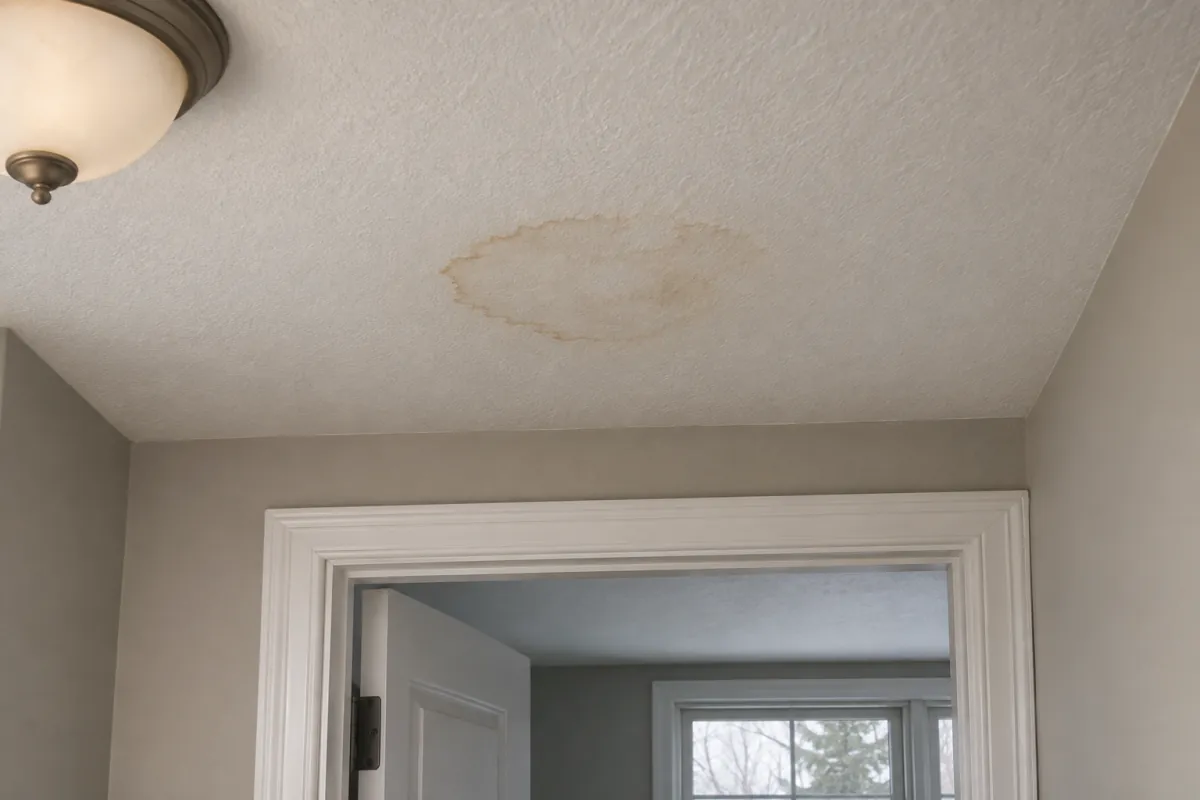
If you spot one of the urgent signs, a few notes will make the visit faster and more useful. Write down when the leak shows up. Is it during every rain, only in heavy wind, or only when snow is melting? Take photos of the stain or damage, and note if it's changing. These clues help narrow down where the water is getting in, so the right spot gets fixed the first time.
Why a Leak's Location Does Not Mark the Damage
A stain tells you water got in. It doesn't tell you where. Since water can travel before it shows up, as we covered above, the real job is finding the spot where water gets past the roof. Patching the shingles right over the wet ceiling only works if that's where the leak starts, and often it isn't.
Water runs downhill on top of the roof and underneath it. That means the place it gets in is usually higher up the slope than the stain you see inside. These are the most common entry points:
- Flashing around chimneys, skylights, and walls, where metal meets shingles and the sealant dries out and cracks.
- Rubber boots around plumbing vent pipes, which can split as they age in the sun.
- Valleys, where two roof slopes meet and a lot of water runs through one narrow path.
- Nail holes left open when shingles lift in wind or nails slowly back out.
- Missing or cracked shingles several feet uphill from the room with the stain.
Say you find a stain in your upstairs hallway. Right above it, the shingles look fine. The real problem might be a cracked boot on a bathroom vent pipe ten feet up the roof. Water slips in there, runs down the wood under the shingles, and drips through near the hallway. Fix the shingles over the hallway and the stain comes back after the next storm.
The damage also isn't limited to the stain. Every inch water travels, it wets something. The roof boards under the shingles, called decking, can soak up water along the whole path. Insulation gets packed down and stops holding heat. So the wet wood above your ceiling may cover a much bigger area than the brown ring you can see. That's why a good repair checks the attic and the decking, not just the shingles on top.
Some leaks are hard to trace. When the source isn't clear, a roofer may use a controlled water test while someone watches from a safe location inside. It can help locate an entry point.
Tracing a leak can avoid paying for a patch that misses the source. If soft decking turns up across a wide section, the fix may grow into a larger roofing project for your Ramsey home instead of a small repair, and it's better to know that up front.
Before you agree to any repair, ask a few plain questions:
- Where exactly is the water getting in, and how do you know?
- Did you look in the attic or under the shingles near the stain?
- Is any of the wood soft or wet along the water's path?
- What happens if the leak shows up again after this fix?
A clear answer explains where water may be getting in and how it could reach your ceiling. If the plan is just to patch whatever sits above the stain, ask what the roofer found during the inspection.
When Roof Repair Is Not Needed
Sometimes the honest answer is that your roof is fine. Water inside the house doesn't always come from above, and some things that look bad on a roof don't need fixing at all. Paying for a roof repair won't help if the roof was never the problem.
Water inside can also come from these sources:
- A plumbing leak. A drip from a bathroom or a water line in a ceiling can look like a roof leak. A stain that appears on dry days or near an upstairs bathroom is a clue worth sharing.
- An air conditioner or furnace drain. Units in the attic make water as they run. A clogged drain line or a cracked drip pan can leak onto the ceiling below, even in a dry week.
- Windows, siding, or a chimney crown. Water that gets in around a window or through a wall can run down inside and look like it came from higher up.
- Clogged gutters. When gutters fill up, water spills over the edge and can soak the fascia board or run behind the siding. Cleaning the gutters often fixes it.
Attic moisture is another one that fools people. On cold days, warm, damp air from inside the house rises into the attic. It hits the cold underside of the roof boards and turns into frost or water drops. When the weather warms up, that frost melts and drips, and it looks a lot like a leak. Widespread dampness can point to condensation, though a roofer can help tell the difference.
Some roof issues are about looks, not leaks. Dark streaks on shingles usually come from algae. They're ugly, but they don't let water in. A thin layer of moss is worth keeping an eye on, since thick moss holds water against the shingles. A light patch, though, isn't a repair job today. Don't pressure-wash your roof to clean it. That strips the protective granules off the shingles and can do more harm than the stains ever would.
From the ground, look for overflowing gutters, missing shingles, or fallen branches. Take photos of any new stains from a safe spot and share them with the roofer.
There's also the other side of the coin. Sometimes a repair isn't enough. If shingles are failing all over the roof, or if the soft decking we covered above runs across a big section, patching one spot just buys a little time. A good roofer will tell you that straight instead of selling you a patch that won't last.
When you call about a stain, mention whether it appears during rain, snowmelt, or dry weather. That timing can help narrow down the source.
Why Roof Inspection Is Not a Safe DIY Task
When you see a stain, it's natural to want to climb up and look. Please don't. A roof is one of the riskiest places a homeowner can stand. Even if you get up and down safely, you probably won't find what you're looking for. As we covered above, the leak usually starts somewhere other than where it shows up. Spotting that spot takes a trained eye, not just a quick look.
Here's why getting on the roof yourself is a bad trade:
- Falls happen fast. A roof that looks gentle from the yard feels much steeper once you're on it, and there's nothing to grab if you slip.
- Shingles are slick. Loose granules roll under your shoes like tiny marbles. Morning dew, a little moss, or a damp shady side can turn a firm step into a slide.
- Ladders are their own risk. Setting one on soft ground, reaching too far, or stepping off at the top edge is where many accidents start. Watch for power lines near the house, too.
- You can step right through it. If the decking has gone soft from a leak, it may not hold your weight. You won't know which spot is weak until it gives.
- You can cause damage. Cold shingles get brittle and crack under your feet. On a hot day, walking on them can scuff off granules or break the seal that holds them down in wind.
Even if you make it up there, most leak sources are easy to miss. Cracked sealant around flashing can be hard to see. A nail that's backed out a little may sit under a shingle tab. A split vent boot can look fine from a few feet away. A roofer knows where water likes to sneak in, lifts shingles carefully without breaking them, and checks the path water would take downhill to your ceiling. That's how you find the real entry point instead of patching the wrong spot.
There's plenty you can do safely from the ground, and it really helps whoever comes out to look:
- Walk around the house and look up. Note any missing, curled, or lifted shingles.
- Use binoculars or your phone's zoom to check around the chimney, vent pipes, and skylights.
- Look for shingle pieces, metal strips, or lots of granules in the yard or at the gutter downspouts.
- Take photos from the same spots each time so you can tell if something is changing.
Pair those photos with the notes on when the leak shows up, and you've given a roofer a head start without putting yourself at risk. Saving a service call isn't worth a fall, a cracked shingle, or a foot through the decking. All three can turn a small repair into a much bigger one.
If you've ruled out the other causes and something still points to the roof, leave the climbing to someone who does it every day.
What Happens During a Roof Repair Visit
Knowing how a repair visit should go makes it easier to relax and easier to tell a careful job from a rushed one. Here's what a good visit looks like, from the night before to the first rain after.
A little prep helps the work go faster and keeps your things safe:
- If the area is safe to enter, clear a path to the attic hatch for the roofer.
- Move cars away from the side of the house where the work will happen.
- Pull grills, patio chairs, and planters away from the walls below the roof edge.
- Keep pets inside and away from ladders and falling debris.
- Have your leak notes and photos handy.
First comes the look. The roofer checks inside and out and follows the water's path to where it gets in, the way we covered above. Before anyone starts tearing into the roof, you should hear exactly what was found and see photos of it. You live under that roof, so you deserve to see the problem, not just take someone's word for it.
Next comes the plan. Ask for it in writing. It should name the spot being fixed, what gets replaced, and what materials go back on. One thing nobody can see ahead of time is the wood under the shingles. A fair estimate tells you what happens, and how it's priced, if more soft decking turns up once the old shingles come off. That way a surprise doesn't turn into a fight.
What moves the cost up or down usually comes down to a few things:
- How steep and how high the roof is, since that changes how hard the work is to do safely.
- How much of the roof is damaged, and whether the decking underneath needs replacing.
- What's being fixed. A cracked vent boot is a smaller job than new flashing around a chimney.
- Whether matching shingles are still easy to find for your roof.
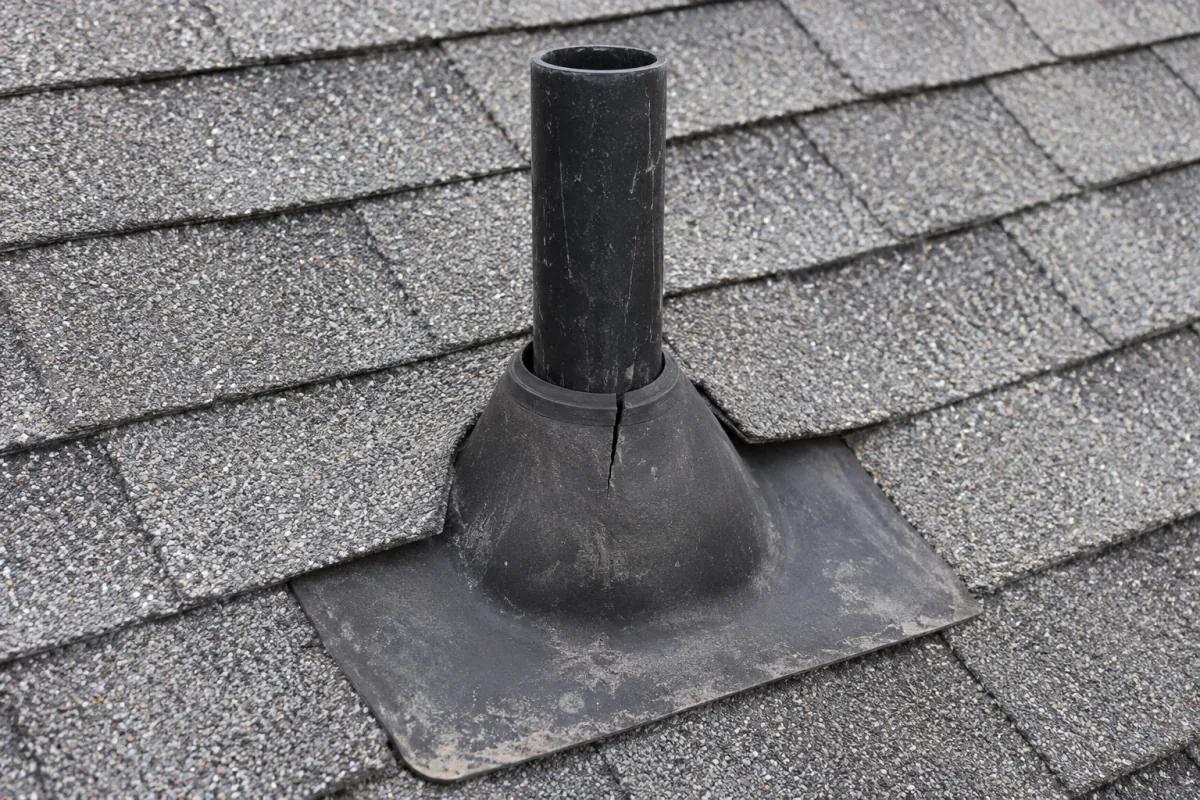
Then comes the repair itself. The damaged shingles get lifted or removed without tearing the good ones around them. Any wet underlayment or soft decking gets swapped out. Then new flashing, a new vent boot, or new shingles go in. Each new shingle should overlap the one below it so water runs off and not under. Ask ahead about color. New shingles can look a bit different next to older, sun-faded ones, and it's better to know that before the work than after.
Last comes cleanup and wrap-up. Old shingles, scraps, and stray nails should be picked up from your yard, flower beds, and driveway before the crew leaves. A loose roofing nail in the grass is an easy way to get a flat tire or a hurt foot. You should also see photos of the finished repair, especially any parts you can't see from the ground.
After the next hard rain, check from inside the living area for a new or growing stain or renewed dripping. If those signs return, let the roofer know when they appeared.