Why Roof Estimates Aren't Always Comparing the Same Job
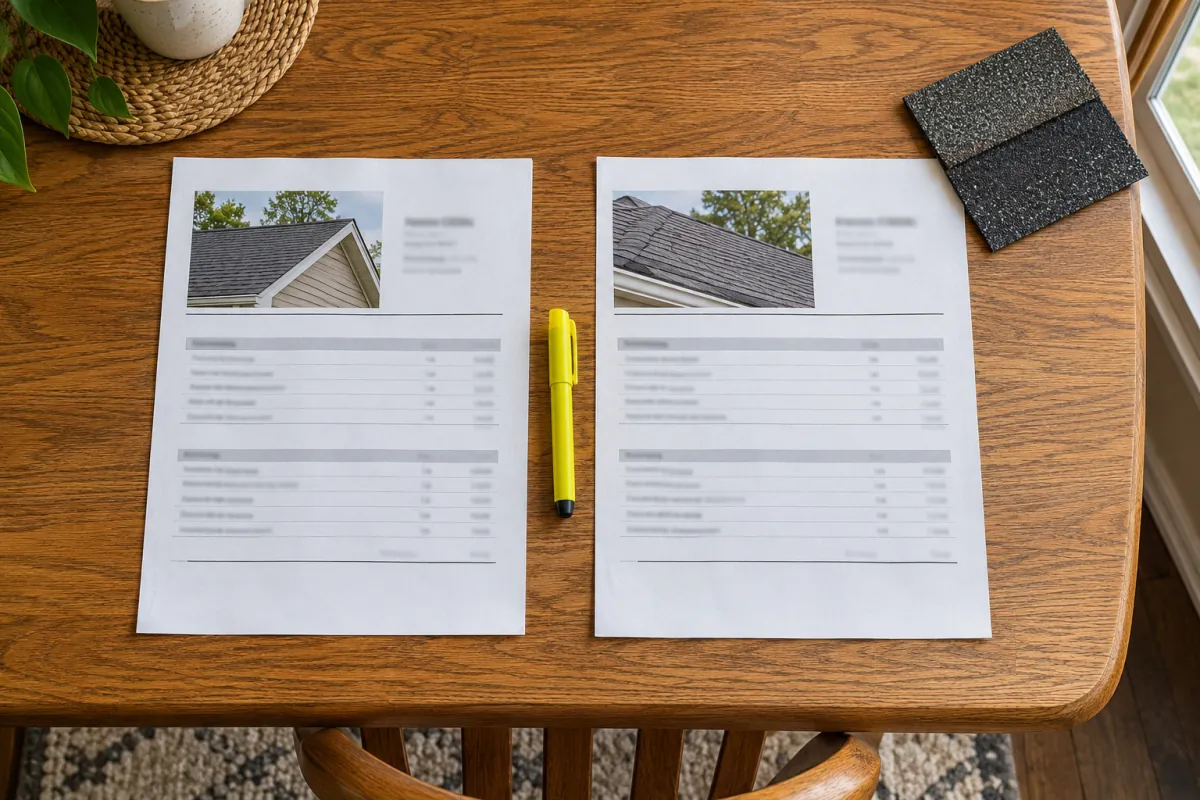
Start with two asphalt-shingle roof estimates. Make a row for each item in this guide and mark it as included, excluded, an allowance, or unclear. Compare totals after you've lined up the scope.
The scope is the job.
So before you look at the bottom line, read what each estimate covers. These are the items that change the most from bid to bid.
- Tear-off or overlay: some bids strip the roof down to the deck, while others lay new shingles over old ones.
- Decking, and whether soft or rotted plywood gets replaced when it's found.
- Underlayment plus the ice barrier along your eaves.
- Ventilation work, meaning intake and exhaust vents. Some bids include it. Some ignore it.
- Flashing at chimneys, walls, and skylights. New or reused?
- The small stuff that adds up: drip edge, cleanup, disposal, and the permit.
If one estimate lists all six and another lists two, ask what the shorter one includes before comparing prices.
Ice dams can form along the eaves during a Ramsey winter. Ask where the estimate calls for an ice barrier and whether that placement meets the requirements for your roof.
A difference in price can come from an honest difference in scope. Clarify what's included and which conditions would require a change to the price.
Ask each contractor how they'll handle damaged decking if they find it mid-job. Compare the allowance, price per extra sheet or other unit, photos of the damage, and who approves the work before it goes ahead.
What a Complete Roof Replacement Estimate Should Include
An estimate is a written plan for your roof. Compare what's included before you look at the totals.
An estimate that says only "replace roof" leaves room for questions. Get the scope in writing so you can see what the contractor has agreed to do.
So what should be on the page? Look for these line items on every roof replacement estimate you get in Ramsey. Each one should be written out in plain words.
- Tear-off: how many old layers come off and whether they strip down to the deck
- Decking plan: what happens if they find soft or rotted plywood
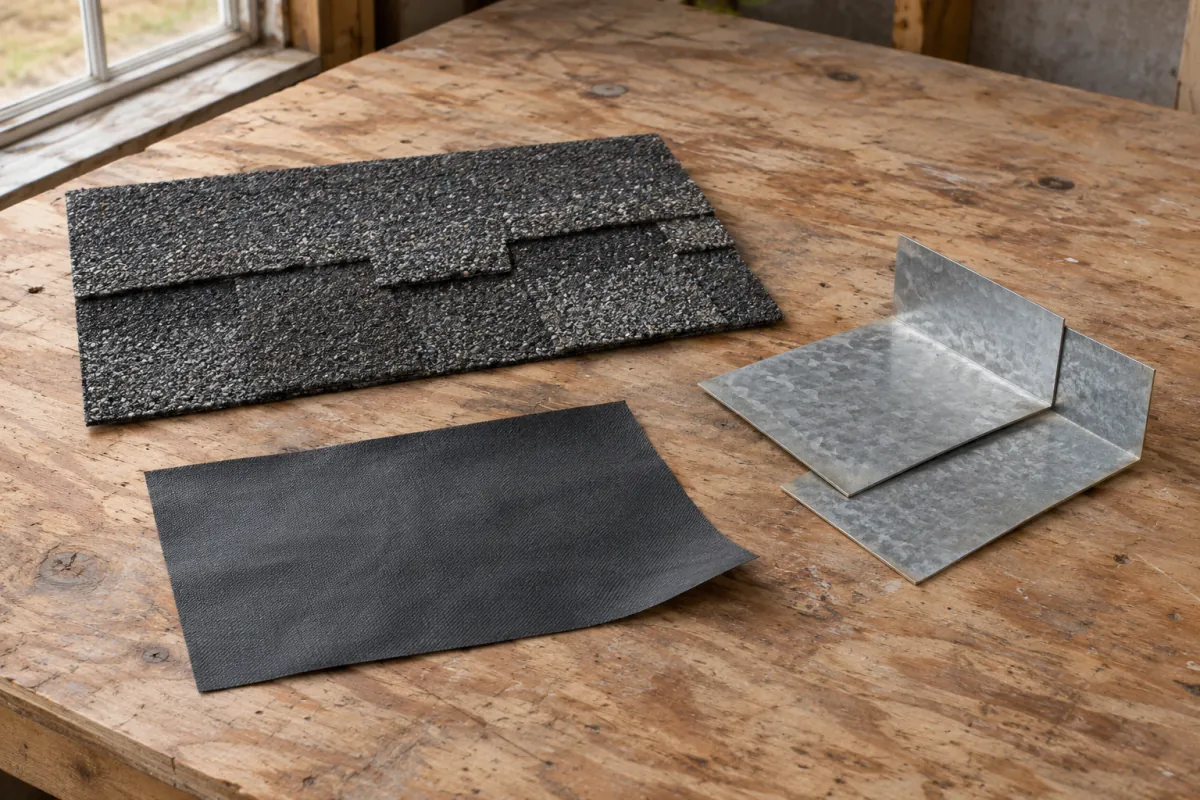
- Underlayment: the layer that sits under the new shingles
- Ice and water shield: where it goes and how far up the roof it runs
- Flashing: new metal around chimneys, walls, and skylights
- Ventilation: whether the existing intake and exhaust will be evaluated, kept, or changed
- Drip edge and pipe boots, the small parts that stop big leaks
- Permit, cleanup, and disposal: who pulls the permit and who hauls away debris
- Shingles: manufacturer, product line, and style
- Warranty: manufacturer coverage and the contractor's workmanship terms
Each of these items lines up with a step in the full roof replacement process, from tear-off to final cleanup. If a step is missing from the estimate, it may be missing from the job too.
A roofer may be able to see the underside of the deck from an accessible attic. Damage beneath the shingles may only be clear after tear-off. Ask the contractor to put the decking allowance, additional unit price, and approval process in writing.
Ask where the ice barrier goes, including how far it runs up from the eaves and whether the plan calls for it at valleys or roof openings. The answer depends on the roof design, materials, and the requirements that apply.
Ask what the estimate says about attic ventilation. Intake and exhaust have to work together, and attic air leaks and insulation can also affect ice dams. Ask whether the vents will be inspected, changed, or kept as they are.
Ask who will obtain any required permit and coordinate inspections. Cleanup also belongs in writing, including disposal and how the crew will check the yard and driveway for nails.
One last field tip. Read each estimate with a highlighter. Mark every item from the list above. Whatever stays blank is your list of questions for that roofer.
Why Roof Replacement Quotes Vary So Much
Three roof replacement quotes. Three totally different totals. Sound familiar?
Different prices often reflect different scopes. Check what each contractor includes and what they charge separately.
One contractor may plan a tear-off while another proposes an overlay. Some bids list the cost of replacing damaged decking while others carry an allowance or quote it separately.
These are common places for scope to differ between quotes:
- Tear-off layers. A quote might assume one layer of old shingles, but your roof could have two.
- Decking repair. Rotted plywood often stays hidden until the old shingles come off.
- Ice and water shield. How far up the roof it runs can change from bid to bid.
- Ventilation. Ask whether the existing intake and exhaust are adequate and what changes the quote includes.
- Flashing around chimneys and walls. Ask which flashing the crew will replace and whether any existing metal is suitable for reuse.
- Cleanup and disposal. Dumpsters, magnet sweeps and hauling have to land somewhere in the quote.
Not every quote spells these out. That's the real problem.
Snow and thaw cycles can contribute to ice dams. If quotes differ on eave protection, ask each contractor to explain the assembly they plan to use.
The City of Ramsey lists re-roofing permits. Confirm what your project requires with the city and who will obtain the permit and coordinate any inspections.
Ask who will supervise the work and what each quote includes for manufacturer and workmanship warranties.
A lower quote isn't always a better deal, it's often just a smaller job.
So skip the bottom line at first. Line up what each roof replacement quote includes. Once you do that, the gaps start making sense. And the right choice gets a lot easier to spot.