
What Causes Black Streaks on Your Roof?
Those black streaks on your roof are almost always algae called Gloeocapsa magma, not dirt, soot, or a sign your shingles are failing. The algae feeds on the limestone filler in asphalt shingles and shows up most on shaded, north-facing slopes. It is mostly cosmetic, but it should be cleaned correctly and kept in check.
Published July 25, 2022 · by T-10 Construction
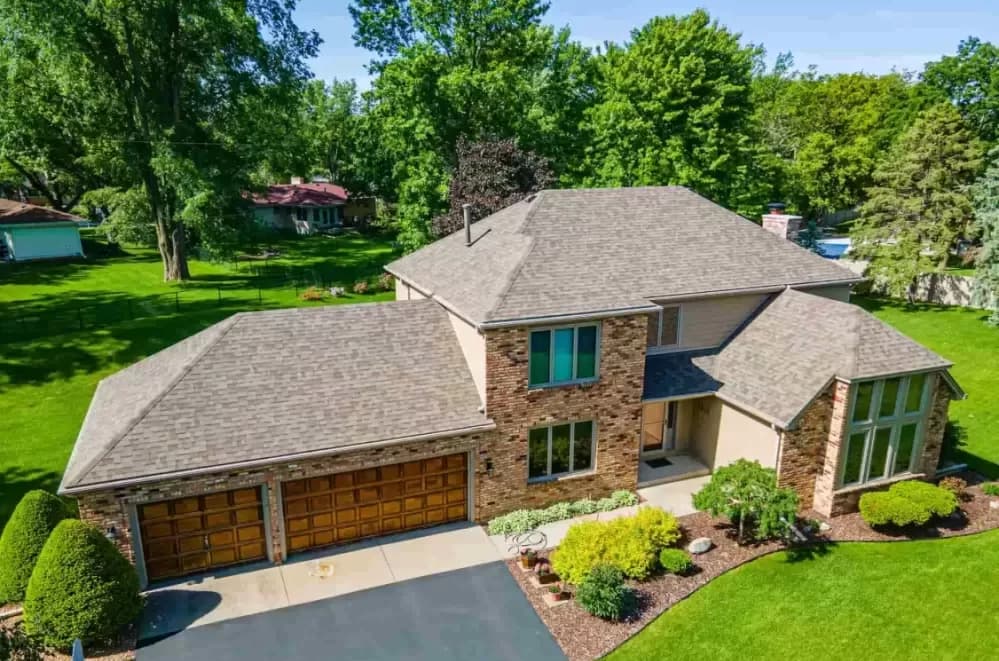
Those black streaks running down your roof are almost always algae, specifically a hardy blue-green algae called Gloeocapsa magma. It is not dirt, soot, mildew, or proof that your shingles are dying. The algae feeds on the crushed limestone filler in asphalt shingles, and once airborne spores land on a damp, shaded slope, dark stains spread downward with the rain. On most Minnesota roofs the problem is cosmetic, but it is worth understanding and addressing the right way.
Why does my roof have black streaks?
The streaks are colonies of Gloeocapsa magma algae. The dark color comes from a protective sheath the algae develops to shield itself from UV light, which is why the stains read as black rather than green. It thrives where moisture lingers, so you will usually see it worst on the north-facing side of the roof and under tree cover where the sun never fully dries things out.
A few conditions make our area especially prone to it:
- Humid summers across the Twin Cities north metro keep shingles damp long enough for algae to take hold.
- Heavy tree cover in established neighborhoods like Coon Rapids, Andover, and Ham Lake shades roofs and drops organic debris.
- Long, snowy winters and spring melt keep north slopes wet for weeks at a time.
- The limestone filler in standard asphalt shingles is a steady food source once spores arrive.
Are black streaks bad for my roof?
On their own, algae streaks are mostly an appearance problem. They hurt curb appeal and can make a roof look a decade older than it is, but a thin algae layer is not eating through your shingles. The bigger concern is what often follows it. Once a slope stays damp enough for algae, it can also grow moss and lichen, and those are a different story.
- Moss holds water against the shingle surface and can lift edges, creating gaps where water sneaks underneath.
- Lichen roots into the granule layer and is far harder to remove without stripping protective granules.
- Trapped moisture in our freeze-thaw climate speeds granule loss and can shorten how long a roof lasts.
So black streaks alone rarely mean you need a new roof. But if you are also seeing thick green moss, curling shingles, or bare spots where granules have washed away, the staining may be a symptom of an aging roof. A quick look can tell you which situation you are in, and our guide to how long a roof lasts in Minnesota puts the timeline in perspective.
How do you clean black streaks off a roof?
The safe method is a gentle, no-pressure chemical wash, not a power washer. Pressure washing asphalt shingles blasts off the granules that protect them from UV and weather, which trades a cosmetic problem for real, permanent damage. Here is the approach that actually works:
- Pick a cool, overcast, calm day so the cleaning solution does not flash-dry before it can work.
- Apply a 50/50 mix of water and household bleach (or a dedicated roof-cleaning product) with a low-pressure pump sprayer, and protect the plants and shrubs below first.
- Let it dwell for 15 to 20 minutes so it can kill the algae, but never scrub or pressure wash.
- Rinse gently with a garden hose on a low setting and let the remaining staining fade over the following weeks of rain.
Honest expectation: cleaning removes the stain, but it does not stop the algae from returning. Spores are always in the air, so streaks usually creep back within a couple of years unless you change the conditions on the roof. Working on a steep, wet, or slick roof is also genuinely dangerous, so this is a good job to hand off rather than tackle from a ladder.
How do I keep black streaks from coming back?
The most reliable long-term fix is to make the roof a worse place for algae to live. A few proven steps:
- Install zinc or copper strips near the ridge. Every rain washes a trace of metal down the slope, which suppresses algae naturally over time.
- Trim back overhanging branches so more sun reaches the roof and it dries faster after storms.
- Keep gutters clear so water drains instead of pooling and feeding growth at the eaves.
- When it is time to re-roof, choose algae-resistant shingles. As an Atlas PRO+ Platinum Select contractor, T-10 installs Atlas asphalt shingles with copper-infused granules built to resist streaking for years. You can see the options on our residential roofing services page.
Worth noting: reddish-brown streaks are a different problem. Those usually come from rusting flashing, fasteners, or vent components, and near a chimney or vent they can point to a leak source rather than algae. If your stains are rust-colored instead of black, have the metal checked.
Not sure whether your streaks are harmless algae or a sign of a worn-out roof? T-10 Construction offers free, no-pressure roof inspections across Oak Grove, Ramsey, Andover, Elk River, and the north metro. We will tell you straight what is going on and what, if anything, it needs. Call (612) 567-5650 to set up a time.