Can You Roof Over Existing Shingles? What MN Code Allows
Yes, you can roof over existing shingles in Minnesota, but only up to two total layers under state code, and only if the old roof is flat, dry, and structurally sound. In most cases a full tear-off lasts longer, protects your warranty, and reveals hidden deck damage, which is why it's usually the smarter choice.
Published July 29, 2022 · by T-10 Construction
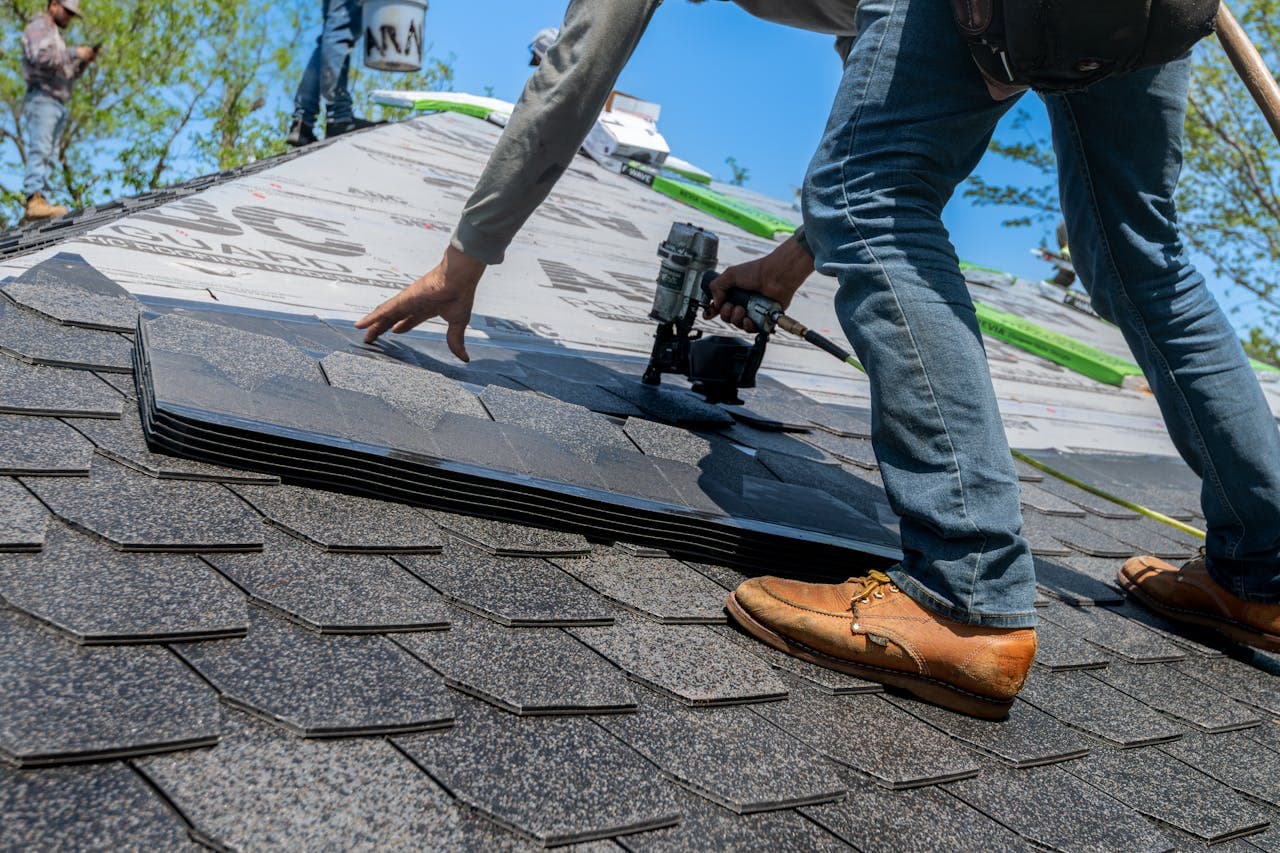
Yes, you can roof over existing shingles in many cases, but Minnesota code allows a maximum of two total roof layers, and the old roof has to be flat, dry, and structurally sound first. A second layer can save money up front, yet a full tear-off almost always lasts longer and protects you better against our hail, wind, and ice-dam winters. Here's how to decide.
How many layers of shingles does Minnesota code allow?
Minnesota follows the State Building Code (based on the International Residential Code), which permits a maximum of two layers of asphalt shingles on most homes. If your roof already has two layers, you cannot add a third, full stop. A tear-off is required. Even with a single existing layer, the code requires a sound deck and proper installation, and your city may add its own permit or inspection rules. Always pull the right permit and verify the layer count before any work begins.
When is it OK to roof over existing shingles?
Roofing over (also called a re-cover or overlay) only makes sense when the existing roof meets every one of these conditions:
- There is only one existing layer of shingles, leaving room for a second under code.
- The old shingles lie flat, with no curling, buckling, or missing tabs that would telegraph through the new layer.
- The roof deck underneath is dry and solid, with no soft spots, rot, or sagging.
- Attic ventilation is already adequate, since an overlay can trap heat and moisture and shorten the new roof's life.
- The shingle manufacturer allows installation over an existing layer without voiding the warranty.
If any one of those fails, an overlay is the wrong call. The same goes for older three-tab roofs and any roof showing storm damage. After a hailstorm in places like Andover, Ham Lake, or Coon Rapids, an insurance-funded replacement usually pays for a full tear-off anyway, so there's little reason to cut corners.
Why is a tear-off usually better than roofing over?
A tear-off costs more because of labor and disposal, but it solves problems an overlay only hides. Stripping the roof to the deck lets your contractor see and fix the parts that actually keep water out:
- Hidden deck damage: rotten or water-stained sheathing gets found and replaced instead of buried under new shingles.
- A flat, clean surface: new shingles seal and lie better on bare deck than over an uneven old layer, so they shed wind and water more reliably.
- Fresh underlayment and ice-and-water shield: critical in Minnesota, where ice dams form at the eaves and valleys every winter.
- Full warranty coverage: most manufacturers offer their strongest warranties only on a proper tear-off, not an overlay.
- Less weight and heat: one layer instead of two means less strain on the structure and a cooler, longer-lasting roof.
Because of those long-term advantages, T-10 Construction recommends a tear-off in the large majority of cases. You can see how we handle full replacements on our residential roofing page.
Does roofing over a roof shorten its lifespan?
Usually, yes. A second layer traps more heat against the shingles and sits on an imperfect surface, so an overlay often wears out years sooner than the same shingles installed on a clean deck. In our climate that gap matters: a quality asphalt roof can last decades when it's installed right, and you don't want to give up that lifespan to save on a one-time tear-off. For a realistic timeline, see our guide on how long a roof lasts in Minnesota. An overlay can also complicate the next replacement, since a future crew may have to tear off two layers at once.
How do you decide between an overlay and a full replacement?
Start with a real inspection, not a guess from the ground. A roofer should count the existing layers, check the deck for soft spots, look at your ventilation, and confirm what your shingle warranty allows. From there the math is simple: if the roof qualifies and budget is tight, an overlay can be a reasonable short-term option, but if you plan to stay in the home, want the longest service life, or have any storm damage, a tear-off is the better investment. North-metro homeowners dealing with hail, high winds off open farmland near Zimmerman and Big Lake, or recurring ice dams are almost always better served by a full replacement.
Not sure which path fits your roof? T-10 Construction offers a free, no-pressure inspection across the Twin Cities north metro and Anoka County. We'll count your layers, check the deck, and give you a straight answer. Call (612) 567-5650 to book yours.