
The Parts of a Roof: A Homeowner's Guide
The main parts of a roof are the decking, underlayment, shingles, flashing, ventilation, and gutters. Decking is the wood base, underlayment is a water-resistant barrier, shingles are the visible outer layer, flashing seals joints, ventilation moves air through the attic, and gutters carry water away from the house.
Published February 14, 2023 · by T-10 Construction
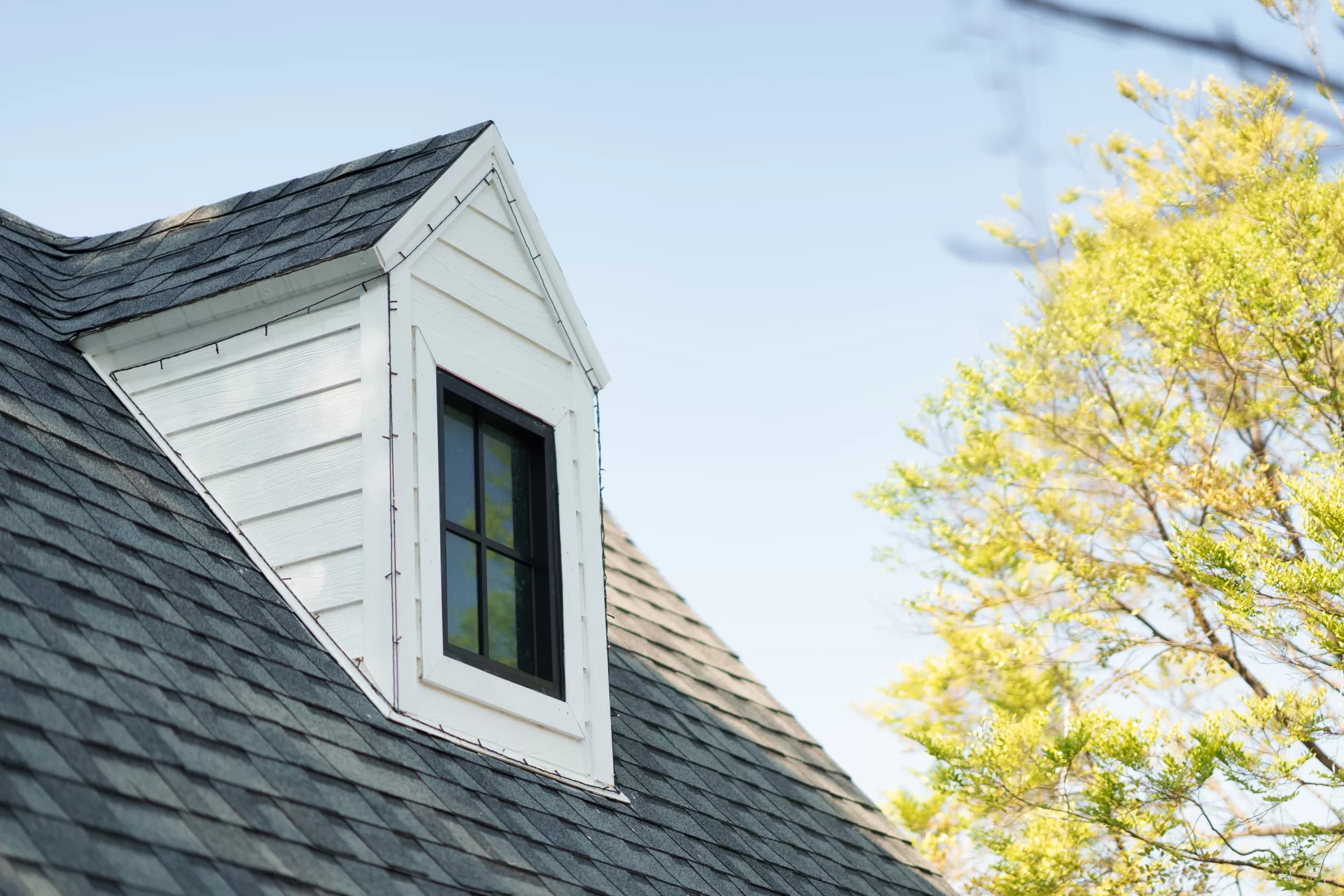
A roof is more than the shingles you see from the street. It is a layered system, and knowing the parts of a roof helps you understand what a contractor is recommending, why it costs what it does, and how to catch small problems before they become expensive ones. Here is a plain-English breakdown of the six elements that matter most on a Minnesota home.
What are the main parts of a roof?
Most pitched residential roofs are built from six core components, installed from the inside out:
- Decking (sheathing): the wood base that everything else attaches to
- Underlayment: a water-resistant barrier over the decking
- Shingles: the visible outer layer that sheds rain, snow, and sun
- Flashing: metal that seals joints and roof penetrations
- Ventilation: intake and exhaust vents that move air through the attic
- Gutters: channels that carry water away from the house
Beneath those sits the roof frame, or trusses, the structural skeleton built when the house goes up. Frames rarely need replacing during a re-roof unless there is real structural damage, so they are not part of a typical project scope.
What is roof decking and why does it matter?
Decking, also called sheathing, is the layer of plywood or OSB (oriented strand board) nailed across the trusses. It gives the rest of the roof something solid to fasten to. Decking is usually less than half an inch thick, which is why a leak left unaddressed can rot it through surprisingly fast. Because the decking hides under your old shingles, a crew can only inspect it for soft spots and rot after tear-off, so a good estimate will spell out the per-sheet cost to replace any boards that turn out to be bad. In our Minnesota winters, ice dams and trapped attic moisture are the most common reasons we find deck rot during a residential roofing project.
What goes under the shingles?
Two layers sit between the decking and the shingles, and both are critical in a cold climate:
- Ice-and-water shield: a self-adhering waterproof membrane installed in the spots most likely to leak, like eaves, valleys, and around chimneys and skylights. In Minnesota it is the single best defense against ice dams, where snowmelt refreezes at the eaves and forces water backward under the shingles.
- Underlayment: a felt or synthetic sheet rolled over the rest of the decking. It protects the wood during installation and acts as a secondary water barrier if wind-driven rain ever gets past the shingles.
Synthetic underlayment has largely replaced traditional asphalt-saturated felt because it is lighter, tougher, and lays flatter. On a north-metro home in Andover or Ham Lake, generous ice-and-water coverage at the eaves is one of the smartest upgrades you can make.
What does roof flashing do?
Flashing is the metal that directs water away from the most vulnerable parts of a roof: the seams and penetrations where two surfaces meet. You will find it around chimneys, skylights, plumbing and roof vents, in valleys, and along dormers. When a roof leaks, failed or improperly installed flashing is the culprit far more often than the shingles themselves. Because it does so much quiet work, it is worth understanding how roof flashing protects your home before you sign off on a replacement.
What are shingles made of?
Shingles are the outer layer that sheds weather and sets the look of your home, and asphalt shingles cover the vast majority of homes across the Upper Midwest. They are built on a fiberglass mat coated in asphalt and mineral granules that resist water, fire, and UV. When you choose shingles, weigh wind and impact ratings, weight, color, and warranty, in that order, because our climate throws hail, straight-line wind, and deep cold at a roof every year. T-10 installs IKO, Malarkey, and Atlas asphalt shingles, and as an Atlas PRO+ Platinum Select certified contractor we can back qualifying Atlas installs with stronger workmanship coverage.
Why do ventilation and gutters matter?
These last two parts are easy to overlook and costly to ignore. Roof ventilation pairs intake vents low at the eaves (soffit vents) with exhaust vents high near the peak (ridge vents) so air flows continuously through the attic. Good airflow keeps the attic cold in winter, which is exactly how you prevent the snowmelt-and-refreeze cycle that causes ice dams. Gutters then carry that runoff away from your foundation. A few terms that come up in any roofing conversation:
- Ridge: the highest horizontal line of the roof
- Eave: the lower edge that overhangs the wall
- Valley: where two slopes meet and channel water down
- Hip: where two slopes meet at an outside angle
- Drip edge: metal along the edges that guides water into the gutter
- Square: a roofing measurement equal to 100 square feet
If you would like a clear, no-pressure read on the condition of any of these parts, T-10 Construction offers free roof inspections across the Twin Cities north metro and Anoka County. Call us at (612) 567-5650 and we will walk your roof, show you what we find, and explain your options in plain English.